この投稿にはアフィリエイト リンクが含まれている場合があります。この投稿で言及されている企業から金銭や製品を得る可能性があります。
 © Depositphotos.com / jeanro
 私がこう言うと、あなたも同意してくれると思います。
新しい飼い主として最初に学ばなければならない最も重要なことの 1 つは、子犬のハウストレーニングを、しかも迅速に行う方法です。
そうです、ほんの少しの知識を身につけ、綿密に計画された計画に従うことで、子犬のハウストレーニングにかかる時間を大幅に短縮し、床やカーペットをきれいにする日々をより早く乗り越えることができることがわかりました。
この記事では、途中での「事故」や混乱、掃除を最小限に抑え、できるだけ早く子犬小屋を訓練するための詳細な段階的な方法を説明します。
私は「魔法の薬」を約束するつもりはありません ' または 'ハウストレーニングの秘密 これであなたの子犬の家は1週間で訓練されます。そのような秘密は存在せず、それにかかる時間は子犬ごとに、また飼い主ごとに異なります。
しかし、私が提供するのは包括的なガイドであり、数え切れないほどのリサーチと私自身のハウストレーニングの経験に基づいて書かれ、何が効果的で何が効果的でないのかを教えてくれました。
このガイドに忍耐強く、一貫性を持って献身的に従えば、子犬もあなた自身も、まったくの初心者からできるだけ早く、ストレスなくハウス トレーニングのエースになれることを保証します。
簡単なヒント: 家の中での事故を減らすためには、尿の臭いを徹底的に除去する必要があります。 Puppy In Training Stain &odor Eliminator のような酵素クリーナーをお勧めします。
「子犬をハウストレーニングする方法」 「」は、私の「ハウス トレーニングの究極ガイド」シリーズの 11 番目の記事です。
これまでの 10 件の記事には、ハウス トレーニングに関する最も一般的な質問の多くに答え、今後のトイレ トレーニングの方法とスタイルについて情報に基づいた決定を下すための知識を提供する豊富なサポート情報が含まれています。
ただし、私はこのハウツーを意図的に作成しました。 ' ガイドは可能な限り完全かつ独立したものであるため、以前の記事を読むことは必須ではありません。
ここでは最も重要な情報をあまり詳しく説明しませんが、より詳細に読んで理解を深めたい場合は、それらの記事へのリンクを貼っておきます。
このガイドを使用するには、一度最初から最後まで完全に読むことをお勧めします。そうすれば、子犬のハウストレーニングを成功させるために知っておくべきことはすべて網羅されているはずです。
警告しますが、この記事は長いです。とても長いです。読むのに 15 分ほどかかると思います。しかし、これから学ぶこと、子犬をできるだけ早くハウストレーニングするための最良の方法は、子犬との最初の数週間、数か月に費やした時間を何百倍も取り戻すことになります。
また、このガイドをブックマークしておくと、特定のトピックについて記憶を更新する必要がある場合に、上の目次をクリックして任意のセクションに直接移動して参照として使用できます。
それでは始めましょう…
簡単な推奨事項: 私たちが家のトレーニングに愛用しているもう 1 つのツールは、犬用トイレ ドアベル、スマート ベルです。少しのトレーニングが必要ですが、スマートベルは子犬がトイレをしなければならないときに警告を発し、「タッチ」 という合図に取り組むときにも最適です。
生後 8 週間の子犬は、衝動に駆られたとき、どこに立っていても絶対におしっこやうんちをすることしか知りません。
彼らは、これが本来のやり方ではないことや、カーペットの上でトイレをすることが受け入れられないことなど知りません。
適切なトイレの場所を選択し、子犬にトイレの使い方を訓練し、同時に家の中の他の場所でトイレをしてはいけないことを子犬に教えるのはあなた次第です。
これを達成するには、成功への 2 つの重要な鍵があります。あなたがこれまで遭遇するあらゆる方法やテクニックの究極の目的となる 2 つの鍵:
<オル>これを達成するために重要なのは、子犬を指定されたトイレ場所に頻繁に連れていくことです。
こうすることで、正しいことをした相手を褒める機会を最大限に得ることができます。また、空っぽなので、間違った場所でトイレをする必要性も減ります。
しかし、これだけでは簡単ではありません。また、自宅での監禁と集中的な監視を組み合わせて、間違いを防ぐ必要があります。そして、この 24 時間 365 日のタスクを現在のライフスタイルとルーチンに組み込んでください。
これを行うには芸術であると同時に科学でもあり、間違ったことをする機会を制限しながら、子犬に正しいことをする機会を最大限に与えるために、よく考えられ、綿密に計画されたアプローチが必要です。
このガイドでは、その方法を正確に説明します。
子犬はどれくらいの時間膀胱を保持できますか?子犬は毎日何回トイレに行く必要がありますか?あなたの子犬が完全に家の訓練を受けるまでにどのくらい時間がかかりますか?
ハウストレーニングを始めるとき、飼い主が抱く疑問はたくさんあり、そこには多くの誤った情報が書かれています。
そこで、最もよくある質問に答えるために、次の記事を書きました:始める前に基本的な事実を知っておく必要があります。
この記事を読んで、子犬とあなた自身に現実的な期待を持ち、どのくらいの期間で二人が何を達成できるかを知ることをお勧めします。
 © Depositphotos.com / nasirkhan
 子犬は飼い主が何を求めているのか、またその理由を理解していないため、飼い主は家のしつけプロセスで最も重要な役割を果たします。
許容できるトイレの習慣を子供たちに教えるのはあなた次第であり、子供たちにとってできるだけ理解しやすく、ストレスのない方法で教える必要があります。
物事にどのように取り組むかは、物事がどれだけスムーズに進むかに劇的な影響を及ぼします。そのため、この問題について記事全体を費やしました。「ハウス トレーニングに必要な考え方とアプローチ」
この記事では、決して使用すべきではない従来の方法、使用すべきではない理由、代わりに何をすべきかについて説明します。
ガイドとトレーナーの役割をどのように引き受けなければならないか、忍耐強く理解を示しながらも、しっかりと一貫性を持たなければならないことについて説明します。
子犬の自然な本能にどう対処するか、家庭内の事故に対処する最善の方法、トイレトレーニングが将来の親子関係の基礎を築く方法について説明します。
これは、これから自宅トレーニング プログラムを始めようとしている人にとって重要な読み物なので、このガイドを読み続ける前に、すぐに読んでおくことをお勧めします。
子犬が信頼できるようになるまで、子犬の家への立ち入りを制限することは、成功へのより速く、よりクリーンな道を歩むためにできる最善の方法の 1 つです。
犬は、食事をしたり寝る場所である巣穴の中を排泄したくないという本能を持っています。 あなたの仕事は、家全体が子犬の巣であり、家の中はどこも汚してはいけないと子犬に説得することです。
最初に子犬を家の 1 つの部屋だけに限定し、まずそこを清潔に保つよう説得し、それから徐々に立ち入りを許可するエリアを拡大すると、これは非常に簡単になります。
犬は一般化が苦手なので、キッチンでトイレをしてはいけないとわかっていても、この考えをそのまま寝室に当てはめようとはしません。
ほとんど別の考えとして、寝室でトイレをしないように教えなければなりません。
家全体へのアクセスをすぐに許可すると、子犬には家が 1 つの大きな場所ではなく、独立したまったく別の場所として認識されるようになります。
しかし、小さなことから始めて、1 つのエリアに限定してトイレトレーニングをし、その後少しずつ広げていくと、子犬が新しいエリアを清潔に保つべき生活空間と結びつけることが容易になります。
これにより、家に侵入するプロセスがスピードアップすると同時に、子犬が遭遇する事故の数や大掃除の回数も減ります。誰の本にも載っている勝利の状況です!
 © Depositphotos.com / tairen10
 以下は、子犬のトイレトレーニングに必要なアイテムと製品のリストです。
必須のものもあればオプションのものもあり、必要なものは選択した方法によって異なります。
ガイドを完了し、行動計画がわかれば、何が必要かを判断できるようになります。
これらのアイテムがどのように、そしてなぜ非常に役立つのか、各アイテムがどのように使用されるべきか、そしてそれらが家のトレーニング中にどのように役立つかについての詳細な説明が必要な場合は、私の記事を参照してください。
ハウストレーニングに必要な製品、消耗品、設備
 © Depositphotos.com / belchonock
 子犬に何をどのように与えるかは、子犬のプロセスに大きな影響を与えます。
私は、食事の選択がハウストレーニング中にどのように大きな違いをもたらすかについて詳細な記事を書きました。 ここをクリックしてください。
そこには、食べ物に関するあなたの選択があなたの成功に与える影響についての詳細な議論と、子犬の食事の与え方に関する多くのアドバイスが含まれています。
もちろん、一読することを強くお勧めします。その後、情報を元に戻って、このセクションをスキップして次のセクションに進むことができます。ただし、時間がない人のために、この記事の要点は次のとおりです。
低品質の食品には、安価な増量剤が多く含まれており、栄養価が低く、消化が難しく、結果として通過しやすくなります。
高品質の食品は栄養価が高く、容易に消化され、より多く吸収されるため、通過が少なくなります。
したがって、高品質の餌を与えると、犬の毎日の便の量が減り、ハウストレーニングには明らかに理想的です。
子犬は高品質のフードからより多くの栄養素を抽出し、安価な充填剤が少ないため、便が硬くなり、排便のコントロールを学ぶのに役立ちます。
食べ物はある程度一貫したペースで子犬の体内を移動するため、毎日同じ時間に餌を与えると、子犬は毎日同じ時間に排泄するパターンに定着します。
これらの時間に合わせてスケジュールを立てると、子犬はこの時間にトイレ休憩をすることを覚え、飼い主と飼い主の両方にとってハウストレーニングが容易になります。
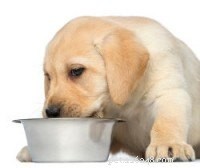 © Depositphotos.com / lifeonwhite
 給餌時間を厳密に守らずに、子犬に一日中餌を与えたままにしておくと、子犬が適当な時間に餌をついばんで食べてしまう可能性があります。
これは「自由給餌」として知られており、子犬が適切なトイレの習慣を身につけるまでは最もやってはいけない行為です。
ランダムな時間に食事をすると、ランダムな時間にうんちもする必要があります。
子犬がいつうんちをする必要があるかについて、定期的で予測可能なパターンがないため、家の訓練はより困難になります。
したがって、子犬にスケジュールに従って食事をさせ、空かどうかに関係なく、食事の合間にフードボウルを拾わせるようにしてください。
食生活の劇的な変化は軟便や下痢につながることが非常に多く、子犬は体力的にそれを我慢できなくなります。これはハウストレーニング中に起こり得る最悪の事態です(言うまでもなく、あなたがしなければならないすべての掃除も必要です!)。 )
高品質で栄養バランスのとれた単一ブランドの子犬用フードを選択し、それを使い続けます。 通常、子犬のブリーダーが使用したものが最良の選択であるため、子犬は変更する必要がありません。
新しいブランドのフードを選ぶ必要がある場合、またはより良いものに変更することを考えている場合は、ラブラドールの子犬や大型犬に最適なフードをここにリストしました (新しいウィンドウで開きます)。
子犬に水を一日中自由に与えられるようにし、摂取量を監視して、摂取量が多すぎるか少なすぎるかを判断できるようにする必要があります。ただし、子犬のニーズは異なるため、アクセスを制限しないでください。
重要なことは、就寝前の最後の 2 時間は水にアクセスできないようにすることです。そうしないと、一晩中何度も水に行かなければならなくなりますが、これはもちろん望ましくありません。
犬は自分の尿の匂いに惹かれてその場所に戻り、同じ場所を何度もトイレとして使います。
また、彼らの嗅覚は非常に鋭いので、ほんのわずかな尿の痕跡さえも再演を促すのに十分です。
したがって、事故が起きるたびに、その場所を入念に掃除し、尿の痕跡や臭いをすべて取り除くことが重要です。そうしないと、子犬がまた小さな水たまりを作る可能性が非常に高くなります。
家の中でトイレをするように勧めることは、あなたが達成しようとしていることとは正反対であるため、これではあなたの努力が台無しになる可能性があります。
通常の家庭用洗剤では臭いを除去するのに十分な効果が得られないため、この目的のために特別に設計された汚れと臭いの除去剤を使用する必要があります。
そして、結果を保証するための段階的な方法が必要です。
選択すべき洗浄製品、絶対に避けるべき洗浄製品、隠れた尿汚れを見つける方法 (UV ライトを使用)、および迅速かつ徹底的な洗浄のための段階的なプロセスに関するアドバイスについては、私の記事を参照してください。
事故はよく起こります:ペットの汚れや臭いを取り除く方法。
トイレトレーニングを始める前に、非常に重要な決定を下す必要があります。それは、あなたの犬にトイレの場所を屋外にするか、屋内にするか、あるいはその両方にするかということです。また、どのように決定すればよいでしょうか?
私のアドバイスは、よほどの理由がない限り、 屋外のトイレを選ぶことです。
犬を屋外でのみトイレするように訓練することは、子犬にとって理解しやすく、飼い主にとっても訓練しやすく、鼻にも優しいです。
しかし、移動に問題がある場合、または高層ビルの最上階に住んでいる場合、すぐに外に出るのは不可能です。
次に、少なくとも子犬の排尿制御がしっかりできるようになるまでは、家の中でトイレの場所を選ぶ必要があります。
飼い主がいるときは外で犬をトイレさせ、いないときは室内でパッドや紙にトイレさせるという、2 つの組み合わせを選択することもできます。
これは、一日中仕事をしなければならない場合や、時々犬を何時間も放っておかなければならない場合に適しています。
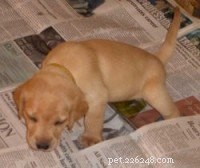
子犬が閉じ込められたエリアにいるときは、たとえ最終的には外でしかトイレをしないという計画であっても、子犬を室内でトイレするように「ペーパートレーニング」することをお勧めします。
これは、子犬の年齢によっては、成長するまで数時間以上膀胱を保持することが物理的に不可能だからです。
個人的には、これまで飼ったどの犬でも、3時間、4時間、場合によっては5時間も放っておかなければならないことが常にありました。私はこのようなことが起こらないように計画していますが、場合によってはそうなってしまうことがあります。
この期間は子犬を木箱に入れることができないため、予備の計画を立てておく必要があります。それは、子どもたちを運動ペンか、トイレをするための紙が敷かれた小さな部屋に閉じ込めることです。
そのため、家にいるときは用心深く、子犬を屋外でトイレに導く訓練を積極的に行っていますが、私が家にいない奇妙な機会に備えてペーパートレーニングも行う必要があります。
多くの友人やオーナーと話した結果、これは多くの人にとって一般的なシナリオであることがわかりました。
多くの人は、犬が屋外にある限り、庭全体をトイレとして使用することを許可しています。ただし、毎回特定の場所だけを使用するように訓練することを検討するとよいでしょう。
庭のどこにでも行かせると、彼らの排泄物をすべて見つけて拾うことができない可能性が高くなります。庭で遊んでいる子供や、素敵なサンラウンジャーの周りに子犬の「堆積物」がいる場合には、良いことではありません。
また、犬の尿が原因で「芝焼け」が発生することもあります。これは、芝生の定期的に使用されるエリアの草が茶色に変色する現象です。
さらに、ドアの近くや窓の下で定期的におしっこをする場合、特に夏には家中にかなりの悪臭が漂う可能性があります。でも…
単一の場所だけを使用するように訓練すると、庭は他のすべての利用者にとってより清潔で衛生的なものになり、窒素で燃えた草の問題もなくなり、庭をきれいに保つことが非常に簡単になります。
したがって、毎回 1 つの特定の領域を使用するように犬を訓練することは非常に理にかなっています。
ドア、窓、バーベキュー、遊び場から離れた場所。ただし、「邪魔にならない」場所を選択したからといって、清掃業務を省略できるとは考えないでください。
犬は以前行った匂いがする場所に行きたがりますが、それでも清潔でなければなりません。したがって、その 1 か所を使い続けてもらいたい場合は、できる限りのものを拾い、そのエリアを定期的に掃除する必要があります。
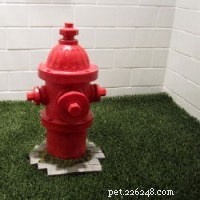
屋内のトイレの場所を選ぶときに、まず心に留めておきたいのは、臭いと共存しなければならないということです。
スペースに限りがあるため、常に可能なわけではありませんが、寝室、子供が遊ぶ場所、食品を準備したり保管したりする場所などは避ける必要があります。これには多くの選択肢が残されていません!
理想的な場所は、予備の部屋、ランドリー ルーム、または少し使用されているバスルームなど、少し使用されている部屋です。
もう1つの考慮事項は、犬のトイレを置く表面です。犬を使用する室内トイレには、常に事故や失敗のリスクが伴います。
したがって、可能であれば、子犬のトイレをタイル張りまたはリノリウムの床に置いてください。または、カーペット敷きのエリアでなければならない場合は、トイレの下にビニールシートを敷いて床を保護し、掃除を容易にします。
屋内のトイレスポットとして使用するには、さまざまなオプションがあります。ターフボックス、トイレトレイ、一部の新しいものには、廃棄物を貯蔵タンクに集める排水管が付いているものもあります…リストは、今やほぼ無限にあります。
それではどれを選ぶべきでしょうか?
私個人としては、犬には常に屋外でトイレをするよう訓練しており、犬に常設の屋内トイレは提供していません。
したがって、私はターフボックスやトイレトレイを検討したことはなく、膀胱を保持できるよりも長く家に放っておかなければならない場合は、代わりに紙と子犬用パッドを使用することにしました。
しかし、選択する必要がある場合は、それぞれの長所と短所は何ですか?
[amazon field=”B01MPWFYZA” value=”thumb” image_size=”large” tracking_id=”labradortraininghq-20″ image_class=”ais200fr”] パピーパッドは吸収性が高く、縁が盛り上がったトレイに置くことができるため、こぼれが少なくなり、掃除が比較的簡単になります。
子犬が排泄するよう誘うために、匂いを染み込ませて、家のしつけのプロセスを少し早めるのに役立つことがよくあります。また、家の中で紙で覆われた場所よりも (わずかに) 見栄えが良くなります。
欠点は、紙ほど広い範囲をカバーできないことです。犬が細断することを楽しむことを覚えたという話を聞いたことがありますが、これはほとんどのものに当てはまると思います。

紙はとても安く、古新聞を使えばほぼタダです! そのため、子犬が若くて経験が浅いうちは、非常に低コストで広範囲をカバーできます。
ただし、紙に染み込む前に尿が紙から流れ出てしまうことが多いため、こぼれる可能性が高く、掃除がより困難になります。また、紙が下の床に染み込みやすくなりますが、必要に応じて子犬用パッドのようなトレイを使用することもできます。
最後に、子犬が紙を破いて、トレイに貼り付けたときにパッドがより収まる場所に広げるのは非常に簡単です。
[amazon field=”B00G7RMCHO” value=”thumb” image_size=”large” tracking_id=”labradortraininghq-20″ image_class=”ais200fr”] 猫砂トレイは、吸収性の高い猫砂が排泄物を吸収し、トレイの高い側面がすべてを保持するのに優れているため、掃除が簡単です。見開きの新聞よりも見栄えが良くなります。
しかし、猫砂の主な問題は、犬によっては猫砂をおやつとみなしていること、足に猫砂がくっつくとトレイから外に出されて家中を踏まれてしまう可能性があること、そして犬が猫の排泄物を埋めようとするのは絶対に許せないということです。
[amazon field=”B002DCWA4C” value=”thumb” image=”2″ image_size=”large” tracking_id=”labradortraininghq-20″ image_class=”ais200fl”] ターフボックスは、本物の芝または合成芝のオプションからお選びいただけます。
周囲の床とは見た目が大きく異なるため、子犬はそこがトイレエリアであることを簡単に認識でき、足の下に草が生えたような柔らかな感触を得ることができ、あらゆるものをうまく収めることができるため、これらはうまく機能します。
欠点は、利用可能なオプションの中で最も高価であることと、一部の犬は屋外の芝生を食べるのと同じように、芝生のボックスを掘って噛もうとする習慣が身につくことです。
床の掃除が簡単な 1 つの部屋に閉じ込められた幼い子犬には、新聞紙を使用することをお勧めします。
子犬が紙の上に乗ることに慣れたら、覆われている領域を数枚のシートの大きさに切り、紙の上のトレイに子犬用パッドを置き、子犬にこれを使うよう促します。
紙は非常に安価なので、新入りの子犬が少なくとも半分訓練されるまでは紙を大量に使用し、その後、掃除の作業が簡単になるように子犬用パッドに切り替えることができます。
幼い子犬が成熟するまで屋内のトイレ スポットのみを使用し、膀胱制御を学び、その後は屋外のみを使用するだけであれば、私はターフ ボックスやトレイを検討することはありません。
ただし、屋内トイレを長期間使用する予定がある場合は、ターフ ボックス、トイレ トレイ、またはよりモダンでクリエイティブな屋内トイレの 1 つを検討するとよいでしょう。
最新の犬用トイレの中には、毎週掃除するだけで済むものもあれば、臭いを取り除くもの、紙や子犬用パッドよりも家の恒久的な機能として見栄えが良いものなどもあるので、これらのオプションをいくつか調べてみるとよいでしょう。
広く使用され推奨されている 4 つの方法から選択できますが、実際には、ほぼ確実に 2 つ以上を組み合わせて使用することになります。
これらのメソッドは次のとおりです。
このガイドの残りの部分では、これら 4 つの方法のそれぞれと、それらをいつ使用すべきか、または使用できるかについて説明します。
それぞれの方法が何であるか、そしてそれに何が関係するのかをしっかりと理解していただくために、それぞれの簡単な概要を説明します。
さらに詳しく理解したい人のために、各方法について私が書いた詳細な記事へのリンクも貼っておきます。
 © Depositphotos.com / Agencyby
 ペーパー トレーニングは、世界中でハウス トレーニングとして最も広く知られ、最も一般的に使用されている方法です。
このテクニックの簡単な概要は次のとおりです。
説明: ペーパートレーニングとは、子犬に室内で新聞紙や前処理した子犬用パッドを敷いた広い場所でトイレをするように教えることで、その場所をトイレとして使用するよう子犬に促します。
紙やパッドの使用に慣れたら、確実に数枚だけを使用し、絶対に使い切るまで、覆われた領域をゆっくりと切り取ります。
次に、別のセットが置かれている外側に向かってゆっくりと紙を動かし、中の紙を完全に取り除く前に、子犬に外だけに出るように促し始めます。この時点で、移行は完了したことになります。
ペーパートレーニングの際の一番のヒントは、汚れた紙を取り除くときに、1 枚を後ろに保持し、新しい紙の中間層として置くことです。
子犬用パッドには子犬を引き付ける香りがありますが、紙にはありません。
しかし、子犬のおしっこの匂いがついた少し汚れた紙を保管しておくと、子犬を引き寄せて好きな場所を排除するのと同じ効果が得られます。
有効性: 1 ~ 5 のスケールで、3 を付けます。
トイレをしないように再訓練する前に、室内でトイレをするように訓練しているため、スコアが高くなることはありません。これは混乱を招き、学習プロセスに時間がかかることになります。
また、他の方法に比べて、子犬の人生のかなり後になってから、特に紙が放置されているのを見たときに、間違い(室内でトイレをする)が起こる可能性があります。
次のような場合に最適です: 屋内トイレを長期的に使用する予定の人、またはトレーニングにクレートを使用しないが、家の中にいるときに子犬を常に監視する義務を負うことができない人のいずれかです。
しかし、これは、子犬が膀胱を我慢できる期間を超えて、子犬を一人で留守番させなければならない場合に、誰でも利用できる優れたバックアップ プランでもあります。
使いやすさ: 1 から 5 のスケールで言えば、間違いなく 5 です。
これは非常に簡単に使用できる方法であり、他のテクニックと比較して最小限の労力で済みます。
しかし、それは子犬の頃からその後の人生に至るまで、より多くの間違いを引き起こすことになります。そのため、最初はより受動的で関与を少なくすることができますが、他の方法と比べて、子犬の人生の後半ではより多くの掃除をする必要があります。
必要な機器: 古新聞の山しかない!非常に費用対効果の高い方法です。
詳細情報: ペーパー トレーニング、長所、短所、および専門家のヒントの詳細については、次の記事を参照してください:子犬や犬を簡単にペーパー トレーニングする方法
[amazon field=”B001DRY8Z2″ value=”thumb” image_size=”large” tracking_id=”labradortraininghq-20″ image_class=”ais200fl”] クレートの使用は、ハウストレーニングプロセスをスピードアップする最も効果的かつ簡単な方法です。
説明: この方法は、犬には食事や睡眠の場所を汚したくないという本能があるという事実を利用しています。
このための鍵となるのは、木枠を、立って簡単に向きを変え、伸ばして横たわることができる程度の大きさにすることですが、それ以上大きくならないようにすることです。
子犬や犬は、用を足すのを避けるためにできる限り長く「抱きしめ」、その後はその中に横たわる必要があります。
これの大きな利点は、子犬が幼いうちにおしっこやうんちをしたいという衝動があるからといって、我慢する必要はなく、実際に我慢できることを学ぶことです。他の方法では、子犬は幼いうちにこの事実を学びません。
ただし、子犬を常に木箱に入れるわけではありません。これは残酷なことです。
木箱に入れるのは、家で忙しくて見られないとき、またはしばらく家を離れるときだけです。残りの時間は彼らの様子を観察し、定期的に外のトイレに連れて行き、良い習慣を教えます。
有効性: 1 から 5 のスケールで、5 を付けます。
これは私が知っている、あるいはこれまで読んだ中で最も効果的な方法だと思います。子犬は他のどのテクニックよりも早く正しい行動を学び、その過程での間違いも少なくなります(そして掃除の回数も減ります!)。
次のような場合に最適です: 皆さん!ハウストレーニングのプロセス中にクレートを使用することは非常に効果的であるため、強くお勧めします。
使いやすさ: 1 から 5 のスケールで言えば、3 だと思います。
それは常に監督するよりは簡単ですが、紙で訓練するよりは難しいです。これは、ハウストレーニングにクレートを使用する前に、子犬をクレートトレーニングする必要があり、時間と労力がかかるためです。
ここをクリックして、子犬のクレートトレーニングに関する無料の詳細なガイドをご覧ください。
必要な機器: 適当な箱。適切なサイズとタイプを選択するのに役立つガイドがあります。ここをクリックして読むことができます。
詳細情報: ハウストレーニングのためのクレートの使用に関する詳細な説明を読むには、次の記事を参照してください:クレートを使用して子犬をハウストレーニングする方法
この記事では、この方法がなぜ非常に効果的であるのか、子犬の 3 つの自然な本能をどのように活用するのか、いくつかの長所と短所を比較検討するなど、その他の多くのことについて説明します。
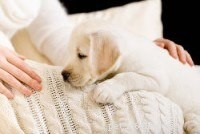 © Depositphotos.com / Agencyby
 説明: 文字通り、あなたは子犬と一緒にすべての時間を過ごし、常に子犬を監視しています。
彼らがトイレに行きそうな気配を見つけるたびに、あなたは彼らをすくってトイレの場所に連れて行きます。
有効性: 1 から 5 のスケールで、暫定的に 3 を付けます。
実際には、あなたがどれだけ熱心に子犬を監督しているか、どれだけ成功しているかによって、スコアが高くなったり低くなったりする可能性があります。
しかし、私はそれに 3 を付けました。なぜなら、あなたの意図がどれほど良くても、監督の仕事にどれほど注意を払っていても、あなたは警戒を緩め、あなたの子犬がこっそり抜け出して間違いを犯す可能性があるからです。
このため、クレート トレーニングほど効果的ではなく、時間がかかり、途中でより多くの「事故」が発生することは確実です。
次のような場合に最適です: いかなる種類の監禁にも反対で、毎日家にいて子犬を一日中見守ることができる人。在宅勤務者や退職者がほとんどです。
しかし、この方法は、他の方法を併用するかどうかに関係なく、すべてのハウストレーニング計画の一部でもあります。 This is because when a puppy is free inside a home, they MUST be closely supervised to prevent any mistakes.
Ease of use: On a scale of 1 to 5, I give it a 2.
It scores low as it requires a lot of input from you as the owner. You need to concentrate on your puppy at all times, ready to intervene and correct them any time they’re about to potty where they shouldn’t.
It is quite draining never being able to take your eye of your puppy.
Equipment needed: なし。何もない。 Not a crate, newspapers, puppy pads or anything. The cheapest of all the methods…unless you put a price on your time.
Further Info: For more information on the constant supervision technique, please read the following article:House Training WITHOUT A Crate:Constant Supervision
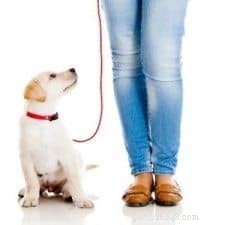 © Depositphotos.com / andresr
 This is a little used technique, and at first may sound a little silly. But it is highly effective.
Description: This technique calls for you to tether your puppy to you by leash and have them follow you wherever you go when inside your home.
This way they’re never more than a few feet away and have no chance to sneak off unnoticed to potty where they shouldn’t.
You will notice and be able to intervene and correct every possible mistake, taking them outside every time they need to relieve themselves.
Effectiveness: On a scale of 1 to 5, I’d say it’s a 5.
Used correctly, the opportunity for your puppy to make mistakes is completely removed so every single time they need to visit their bathroom spot is a training opportunity you will take advantage of and no mistake goes uncorrected.
Best suited to: People who spend all their time at home with their puppy and would also enjoy literally being tied to their pup all day.
It’s also a good method to throw into the mix for people who’ve found difficulty with ‘constant supervision’ and allow their puppy to sneak off and have accidents in the home, helping them to get better results.
Ease of use: On a scale of 1 to 5, I’d say a 4.
It’s easier than constant supervision as your puppy is attached so you can relax a little in comparison.
It’s easier than using a crate because you don’t have to crate train your puppy. But it’s not as easy as paper training which is very hands off for an owner.
Equipment needed: A quick release collar and a house line / leash.
Further Info: for a detailed discussion of this technique, the benefits, downside, and many more tips, please see my article:Umbilical Cord House Training:What is It? How Does It Work?
I use and recommend a mixture of crate training, constant supervision and paper training.
I primarily use crate training as I firmly believe it’s the most effective method and I’m also a strong believer in the idea that every dog deserves to be crate trained to enjoy the continuous benefits it offers throughout their life.
I use constant supervision extensively because when a puppy is outside of the crate you have to watch them diligently to avoid puppy mistakes.
I use paper training while my puppies have almost zero bladder control until the age of 10 or 11 weeks, and later in life when I can’t avoid leaving them home alone for longer than they can be expected to hold their bladder.
Admittedly this is somewhat going against my advice because I always recommend to avoid paper training if possible.
It encourages or allows your puppy to toilet inside the home, before then training them not to do so. It’s saying it’s OK, before turning full circle and saying that it’s not.
This is confusing to your puppy and harmful to our house training efforts. (Unless you’re going to have a permanent indoor bathroom spot of course, then this method is perfect.)
But even though I recommend against it, using paper training ever so occasionally as a fall back plan works well for me.
I explain more fully why and when I use paper training in later sections of this article on ‘House Training For Full Time Workers ‘, and ‘A Note On Puppies Between 8 And 12 Weeks '
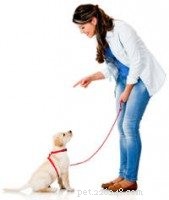 © Depositphotos.com / andresr
 Though not essential, it’s extremely useful to train your dog to eliminate on command.
When you’re in a hurry and need to leave in the morning, or it’s right before bed time, these are times you will wish your dog would eliminate on command rather than you having to patiently wait for them to do their job.
Most dogs love being outside and will use any excuse to get out there and stay there.
So it’s of benefit if you can clearly tell them you’re going outside to toilet only and for nothing else, that there’s no chance of exercise or play. If they don’t potty, they’re coming straight back in.
You do this by using a cue word and walking them on leash to their potty spot, not allowing them to do anything else and if they do not potty, taking them back inside and trying again in a few minutes.
Because a full bladder or bowel is uncomfortable, dogs are happy to relieve themselves, but some may try to hold it if they think they can get to stay outside and sniff around a while.
By not allowing this and associating it with a consistent command, it will only take a few short weeks for them to learn your chosen command means a bathroom break only and that if they don’t go, they’re coming straight back inside uncomfortably full.
If this is something you’d like to train, it’s important that you choose the words to use before you start the training and make sure everybody uses the same words consistently.
If people use different words, your dog will get confused.
So pick a command like ‘toilet time ‘ that you will only use when you’re taking them to the bathroom and you will not allow them to do anything else.
You’ll have a different word like ‘walkies ‘ for other more fun times outside and your dog will eventually learn the difference and set their expectations of their time outside accordingly.
Once outside you can use another command like ‘potty’ or ‘do your job’ to ask them to do their business.
For the first weeks you should wait for them to start doing their business and then use the word ‘potty’ to build an association. And praise them afterwards with ‘good potty’. This will slowly teach them the command.
Eventually your dog will learn ‘toilet time’ means a quick bathroom break only, and ‘potty’ is you asking them to go.
注: For a very good guide on training to eliminate on command from the ‘Whole Dog Journal’, please click here.
A quick word of caution: Don’t use a word for your elimination command that gets used at other times. For instance, many people use the words ‘hurry up!’, but if you say this to your spouse when heading late out the door, this could get very messy if your dog hears and reacts.
When your puppy’s very young it’s easy enough for you to scoop them up and carry them to their bathroom spot. And this is fine for the first couple of weeks while they have no bladder control and will perform their business very quickly.
But once they start to learn some bladder control, if you take them to potty without them being on leash, as soon as they hit the outside there’s all the sights, sounds and smells that can take over their inquisitive minds.
They easily forget what they’ve gone outside for and will romp and play in your yard instead, before going back inside still full. And some dogs even learn to actively hold their bladder just so they can stay outside to explore for longer.
So it’s in your best interests to lead them on leash to their bathroom spot and keep them there until they complete the job in hand.
Before you can do this you need to first get your puppy used to wearing a collar and leash. To help with this I’ve written a detailed guide that you can read by clicking here:How To Get Your Puppy Used To A Collar And Leash
Start this process at 10 weeks, and always lead them on leash from the 11th or 12th week. You may regret it with lots of time waiting outside if you don’t!
Like everything in life, house training runs smoother if you have everything ready before you start, hopefully before you even bring your puppy home. Although it’s never too late of course!
To help make sure you’re ready, here’s a checklist to cross off and make sure you have everything prepared. Have you:
With all this ready and in place, you’re now ready to begin house training your puppy.
Dogs thrive when living to schedules and routine, doing best when they have set times for eating, going to toilet, exercise, training and play.
And when it comes to house training, you’re going to love schedules and routine too!
If you feed your puppy at random times throughout the day, they’ll need to defecate at random times throughout the day.
They won’t fall into any predictable schedule and your life will be that much harder.
But because the passage of food through their digestive system stays roughly the same, if you feed your puppy at the same times every day they will need to defecate at roughly the same times every day.
Furthermore, because puppy’s learn through repetition, by taking yours out to potty at the same times every day, their body learns to expect and follow this schedule, training your puppy to toilet at the times you’d like them to.
When you know the times your puppy needs to eliminate you can have them at the right spot at the right time with a far greater success rate than if you didn’t follow a routine.
This results in fewer mistakes, more opportunities to praise your puppy for going in the right place and so speeds up their learning.
Depending on their age a puppy will need to poop 3 to 6 times a day, and wee many more times than that. Can these times be predicted? Mostly they can.
When a puppy needs to potty depends on when they last ate, drank and their recent activities. Mostly they need to go:
But a puppy also needs to go many times per day regardless of recent activities, so you should also take your puppy to their bathroom spot on a consistent schedule such as the following:
This is only a guideline because all puppy’s are different. And on that note…
Not all puppies are the same. Some will need to wee within 2 minutes of drinking, others after 20 minutes. Some will need a bathroom break within 2 minutes of waking, others 15 minutes later.
This means there isn’t a ‘one-size-fits-all’ schedule I can give that’s suitable for every puppy and owner. You have to determine your puppies own natural tendencies and create a schedule to suit.
This may sound like a lot of work but it really isn’t once you get in to the routine. And besides:
Once you’ve determined your puppy’s natural rhythms, you can be at the bathroom spot at the correct times more accurately which is of huge benefit to both you and your puppy, so it’s highly worth doing!
But if you fear living to strict schedules is too hard to do…don’t fear! You don’t have to stick to them 100% of the time.
The more you can stick to schedules and routines, the smoother and faster the process will be. But you can stray from the path when necessary and still find success, it will just take a little longer.
Just don’t be overly strict and hard on yourself because we all have a life to live outside of house training!
So let’s go through the 5 steps of creating your puppy’s schedule.
 © Depositphotos.com / zzve
 Follow this 5-step process to create a schedule that works with your puppy’s natural rhythms and fits with your lifestyle and commitments.
Keeping and following a written schedule may seem odd or a bit excessive, I’m sure you’ve not seen many people bother with it?
But I promise you it’s not much work, after a couple of days practice it becomes a simple routine, the time it takes is negligible and the results are phenomenal.
Depending on how old they are, your puppy needs feeding between 2 and 4 times a day. Here’s a guide to how often and when you should feed them:
You should feed your puppy 4 times a day until 12 weeks old.
To achieve this you need to feed them every 4 hours and you should make it the same time every day, fitting it into a schedule that’s best for you.
A good routine would be to feed ‘breakfast’ when you first get up, at 7:30AM, then at 11:30AM, 3:30PM and 7:30PM.
You should feed your puppy 3 times a day when 12 to 26 weeks old.
The timings for 3 feeds a day would be roughly every 6 hours:7:30AM, 1:30PM and 7:30PM.
From 26 weeks old and onwards, feed your puppy just two times a day
For 2 meals a day you need to space them out 8 to 12 hours apart.
What works for me is shortly after I get up at 7:30 and when we have our evening meal between 6:15PM and 6:45PM.
Availability Of Water:
You should make sure fresh water is always available but because drinking too much or too little can be a sign of health problems, you do need to monitor their water intake.
© Depositphotos.com / Madrabothair Physical activity has a direct influence on a puppy’s potty schedule because it ‘helps things move along’ for want of a better expression.
Physical activity often leads to a puppy needing to potty very soon after. So to encourage predictable potty times for your puppy, you want to schedule their exercise and play.
This will help your puppy’s mind and body to slip into a routine that will help you both with the house training process.
Deciding when to exercise, train and play with your puppy is entirely up to you. You should fit it around your lifestyle and commitments, but try to make it the same times each day if you can.
If you’ve followed the guide so far, you’ve now gathered all the information you need to design your puppy’s house training schedule.
Enter all the following details into a single column in an excel spreadsheet, or write them down as a day schedule with a pen and paper:
<オル>After writing down this schedule, tick off each task as you go through the day with your puppy.
This way you will always know what needs to be done and when, and there will be no confusion about whether someone else in the house fed, exercised or took the puppy to the loo.
If it’s not crossed off the schedule, it hasn’t been done.
 © Depositphotos.com / Gajus-Images
 Alongside the schedule you’ve designed, add some columns where you can take notes of your puppy’s bladder and bowel movements, as well as their daily activities.
You do this because it’s important information you can use to design an ever more accurate schedule going forward. (I discuss this further in step 5 below.)
The things you should write in your diary are:
Basically, note down anything food, activity, accident or potty related so you can look for patterns to help you in the next step.
Look over any ‘accidents’ your puppy had and you noted during the day.
You should be able to pick up on any patterns and adjust your own behavior to avoid mistakes in future.
Was puppy left alone and peed in the living room while you made breakfast? – You need to increase supervision or make doubly sure you crate them when you’re busy.
Puppy should never be left alone unsupervised, learn from this mistake.
Or maybe puppy peed in the crate after an hour? – You left them crated longer than they can hold their bladder, or didn’t empty them before crating.
Learn from this mistake.
Look over how long they took to potty after being taken for a scheduled potty break
Did you catch them ‘in the act’ 3 times in a single day? Well done for watching them closely enough.
However, if they tried to go 3 times in the home, you’ve learnt that you likely aren’t taking them to empty themselves often enough. So increase the frequency.
Or perhaps the opposite happened and you noted that 3 times in the day you took puppy for a scheduled bathroom break, they didn’t go and you returned them inside for 15 minutes before trying again?
This shows your puppy is maturing fast, doesn’t have to potty as often as you thought and can last longer between potty visits than you’re allowing.
Therefore you should stretch out the time between visits by 10 to 15 minutes for the following day.
Look over how long after eating they pooped
If you see puppy didn’t potty for 20, 15, 20 and 20 minutes after their meals of the day, with this information you learn it’s pointless to take them to their potty spot until 15 minutes after they finish eating.
Some puppy’s go 2 minutes after eating, some after half an hour. This is how you find out.
By writing out the schedule as in step 3, you should never forget to feed, train or take your puppy to potty. If it’s not marked off on the schedule, it’s not been done.
And by using the schedule as a diary as in step 5, you get feedback on how you and your puppy are performing, and are armed with the necessary info to make changes to your schedule over time.
This helps you to truly match your puppy’s natural rhythms and their maturing and changing body.
You, your puppy and their needs all stay in sync and house training becomes that much easier.
 © Depositphotos.com / ccaetano
 For ease of use, I recommend simply keeping a written diary with good old-fashioned pen and paper.
We’re all in the electronic age surrounded by smart phones and i-Pads, but this is simply too much hassle and will likely lead to you not bothering if you have to power up a device and so on to make an entry.
Just make a spreadsheet in excel and print it out, or simply buy some lined paper.
Keep it somewhere you can always see and know where it is, alongside a pen or pencil and write entries in it as you watch your puppy throughout the day.
Next to your house phone, pinned to the fridge or by the exit to your puppy’s bathroom spot is a good place to keep it, but put it wherever is best for you.
When you first get your puppy home at 8 weeks, they can barely control their bodily functions so keeping a diary isn’t perhaps that helpful but I still recommend you do so, to get yourself into the habit.
I would recommend keeping a diary every single day until you’ve determined a definite pattern and have spotted their individual ways. Up until they’re 14 weeks old is a good target.
After this, continuing with a diary every day is the best advice, although keeping one for 3 consecutive days each week will be sufficient for you to pick up on any changes as they mature.
Once your puppy is 5 to 6 months old, they will have sufficient bladder control and experience to make a schedule and diary unnecessary.
Just make sure they get access to the outside at least once every 3 hours and all will be fine.
I discussed earlier how a puppy will need regular visits to their bathroom spot, something like every 30 minutes at 8 weeks old, every 45 minutes at 10 weeks old and so on.
But every puppy is different and their progress in having longer time between needed toilet breaks will vary too.
Although your puppy’s natural progression reflects in your diary and your schedule will adjust to suit, you should purposely try to increase the time between breaks yourself if it doesn’t happen naturally.
If you don’t see a natural increase of time between eliminations, add 5 minutes to the scheduled times every 3 or 4 days to stretch out how long they can last.
If they can’t make the time, peg it back 5 minutes and try to increase the time again in a further 3 or 4 days.
You do this because as a puppy grows, the size of their bowel and bladder increases, so they will be able to hold more for longer and you want to take advantage of this.
This is also teaching them necessary bladder and bowel control.
Your aim is to have them needing a toilet break only every 4 hours or so by the time they’re 5 to 6 months old.
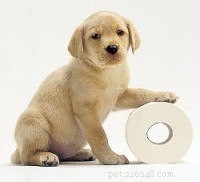
In an ideal world, when you take your puppy to potty they will empty themselves completely and instantly, with no delay and not holding any back to release as soon as they’re back in your home.
There are a few things you can do and some that you certainly shouldn’t that will help you to achieve this goal.
Use your cue word before you take them: By using your chosen cue word every time before you take them to potty, your puppy will learn what the trip is about and what they must do. This eventually leads to faster results as they know what is expected of them.
Lead your puppy to the bathroom spot on leash: This gives you the ability to keep your puppy at the bathroom spot and prevent them wandering off, getting distracted and forgetting what they are there for.
This isn’t always possible if you catch them in the act and must hurry, but for scheduled bathroom visits you should always aim to take them on leash.
Make sure you stay with them at their bathroom spot: If you have them on leash, then of course you will be. But if you don’t have them on leash, make sure you stay with them because the separation will just make your puppy anxious to get back with you and they will not potty.
Once at the bathroom spot, don’t say or do anything until they start to eliminate: Puppy’s get distracted very easily and any attention can take their mind off the job in hand. Be boring, uninteresting, and just hold your puppy’s leash until they start to go.
When they start to go, say your chosen cue word in a soft warm voice. Otherwise remain silently still until they’re finished: You need to associate your cue word with the act, but if you say it too loud and brightly, it may distract them and they won’t finish.
Similarly, any other movement or sounds like praising them too early or shuffling your feet might distract them and they might not finish what they’ve started.
If they don’t finish and completely empty themselves, they may finish inside your home and even if they don’t they will not be able to make it to the next scheduled bathroom break so an accident in the home is more likely.
When you’re sure they’ve finished, praise them like mad and reward them: You should heartily praise your puppy for going in the right place, then allow them a few minutes off leash, a couple of minutes play or a tiny (and I mean tiny!) but tasty food treat.
The praise and reward make going to potty a happy experience, tells them they’ve done right and helps them to learn more quickly.
Mix up the reward between play, time off leash and a food reward to keep them guessing, but keep the food rewards to a minimum as what goes in must come out and random feeding promotes random elimination times!
 © Depositphotos.com / c-foto
 First of all, make sure you’ve spent enough time out there.
Many people pop out, stand for 1 minute and then come back in. This isn’t enough as a puppy can only go when they need to go and they may not be ready.
Some people recommend to stay out there for 10, 15, 20 minutes, whatever it takes until they go, then praise profusely when they do. Although this advice may be sound, personally I’d rather not.
I recommend you give them 3 to 5 minutes, saying your cue word every 30 seconds or so but otherwise standing silently still just holding their leash so they cannot wander off.
If after 3 to 5 minutes they haven’t been to toilet, bring them back inside your home and then:
If using constant supervision: Set them down in your home and continue watching them to intervene in case they make moves to go in the wrong place. Take them back to their bathroom spot in 10 minutes or so.
If using a crate for house training: Pop them back in the crate and leave them for 10 minutes. Then take them back to their bathroom spot.
If using umbilical cord training: Take them back into your home and watch your puppy carefully while they’re tethered to you by leash. Take them to their bathroom spot after 10 minutes.
If paper training: If they are confined to the area that’s papered, do nothing. If not, take them away from their bathroom spot and watch them for 10 minutes before returning them to their bathroom spot.
In all cases, just remember you’ve brought them back in with a full bladder so you mustn’t take your eye off them if free in your home.
And if crate training, do not leave them in the crate too long else they may be forced to soil in there. Prevent this at all costs.
Rinse and repeat the visits to and fro like this until they do potty, then follow the next sections advice.
Between scheduled bathroom visits you should do two things:Allow some supervised free time in your home, and use your chosen house training method.
 © Depositphotos.com / ikostudio
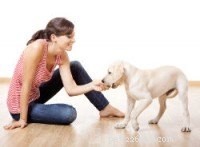
 After returning from the bathroom spot you should grant your puppy some free time in the room where you spend most of your time, up until 20 to 25 minutes before their next scheduled bathroom visit.
By free time I mean time outside of their crate, or off leash, or out of their confinement area. Time free to roam, explore and live life.
When 10 weeks old they may need to toilet every 30 minutes, so they only get 5 to 10 minutes free time. When 12 weeks old, they may need to toilet every hour so they can get 35 to 40 minutes free time.
You allow this free time because you are of course working toward a time when they will always be free and trusted unsupervised.
To get there they need the experience, to get used to being free in your home and begin seeing it as a place they need to keep clean.
They also need social interaction and life experiences.
The best time to grant this free time is right after a bathroom visit so you’re fairly sure they’re empty and are far less likely to make a toilet mistake in your home.
The important thing to remember is:
When your puppy is free in your home in this way, you must know exactly where they are at all times and be watching them like a hawk, ready to intervene if they look like they’re about to potty where they shouldn’t.
But what are the signs a puppy is about to potty?
When supervising your puppy’s free time, the signs you need to look out for that they need to eliminate are:
The minute you see any of these signs you should take your puppy to their bathroom spot immediately. There may well be some false alarms, but better safe than sorry.
Most puppies will display one or more of these pre-elimination behaviors, but no two puppies are the same so you need to be observant and learn your own puppy’s pre-toilet rituals.
Carefully watch them and you should soon notice what body language means a wee or a poop is imminent. There will be recognizable signs.
 © Depositphotos.com / AOosthuizen
 Once your puppy has enjoyed some free time and it’s nearing 20 to 25 minutes before a scheduled potty visit, you need to switch to using your chosen house training method.
We do this because the time is fast approaching when mistakes are most likely to be made. So we might crate our puppy, or attach a leash for umbilical cord training if we’re using these techniques.
Remember, all free time is closely supervised anyway so you’re ready to react if they’re about to ‘make a mistake’, So..
If using constant supervision: Carry on as you are. Watch your puppy and be ready to react if they look like they’re about to potty. Then at their scheduled potty time, attach a leash and lead them to their bathroom spot.
If using a crate for house training: Encourage your puppy into their crate and close the door, leaving them there until their scheduled potty time and then release them, instantly attaching a leash and leading them to their bathroom spot.
If using umbilical cord training: Attach a leash and tether your puppy to you, ready to react if they make moves to eliminate. Take them to their bathroom spot at the scheduled time.
If paper training: Take your puppy to their confinement area where their papered bathroom spot is and supervise them, ready to intervene if they make moves to potty away from the paper. Encourage them to potty at their scheduled time if they don’t do so naturally.
If you catch your puppy pottying in the wrong spot, you should simply clap your hands and say a firm ‘NO!’. You don’t want to shock and scare them, just loud enough to startle and get their attention.
It’s very important you DO NOT scare them as they may become afraid to potty in front of you. Not good when you need to be there to encourage them for doing it in the right place.
When you clap and say ‘NO!’, some puppies will stop what they’re doing, but others may not.
If they do, you can pick them up and carry them, or take them by the collar and gently lead them to their bathroom spot, then encourage them to finish where they should.
But if your puppy doesn’t stop mid-flow, my advice is to accept the fact you’re too late, you didn’t recognize the signs they needed to potty (or weren’t watching them closely enough) and you should let them finish and then clean it up.
Many people recommend to pick your puppy up and take them outside even if they don’t stop. But to me this seems foolish.
Instead of a little pile or puddle, you then have a long line of wee or poop from where you caught them all the way to the bathroom spot that you then have to deep clean instead. To me this isn’t worth the extra cleaning effort.
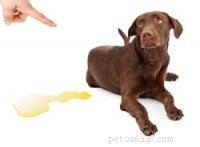 © Depositphotos.com / adogslifephoto
 There is nothing you can do.
You’ve missed the opportunity to correct your puppy and anything you do now your puppy will be unable to connect to the act of pottying in the wrong place.
If you get angry, shout at or punish them in any way, they might ‘look guilty’ trying to appease you, but they will have no idea what it is that’s driven you mad. They’re just trying to calm the situation.
And what sometimes happens is a puppy learns that poo on the floor is what you’re mad about, causing them to slink away to poo where it’s hidden, or worse they may even eat it so you don’t see it and get mad.
So if you stumble on a mess you didn’t catch them make, simply move them away and deep clean the area.
Then think how they were able to make such a mistake and tweak your plans so it cannot happen again. But any corrections or punishment now will be futile.
This advice applies not just to full-time workers, but also if you must occasionally leave your puppy home alone for a few hours.
Most importantly, follow all the advice in this guide so far for the times that you are home.
Supervise them, correct any mistakes, set feeding and elimination schedules and everything else I have advised. Then, what follows are your choices of what you can do to cover when you aren’t at home.
First of all, if like me you use a crate, you simply cannot leave your puppy in the crate for many hours. They’ll be forced to potty in there after a very uncomfortable time trying to hold it for as long as they possibly can.
This is very unfair on your puppy and it will destroy the crates power as a house training tool if they lose the instinct to keep it clean.
Secondly, please do your best to enlist the help of a family member, friend, neighbor or hire a dog walker to periodically pop in to visit your puppy, take them to their bathroom spot, give them some social interaction and so on.
I understand this isn’t possible for all owners, but you should strive to achieve this if possible.
Having said that, what should you do about house training when you aren’t at home:
Throughout the many articles of this guide you will have read me advising against paper training unless you’re planning on a permanent indoor bathroom spot for your dog.
But I also freely admit to using paper training myself occasionally, for the unavoidable times I have to leave my puppy home alone for a few hours.
If you have to leave your puppy home alone for any reason, usually because you work, then paper training in your absence is the only thing you can do.
You then have two options available to you:Buy and use an exercise pen, or confine your puppy to a single, puppy-proofed room.
[amazon fields=”B003XU0B62″ value=”thumb” image_size=”large” tracking_id=”labradortraininghq-20″ image_class=”ais200fr”] An exercise pen is a confinement device that looks like a crate but is much larger and has no roof. They can have any number of panels, be square, hexagonal, octagonal, L-shaped…they’re very flexible (an example 8 sided pen is in the image to the right.)
You use it to confine your puppy so you know they’re safe, as is your home and belongings from their teeth.
They’re big enough for you to paper an area inside to use as a toilet, while leaving space where you can set up your dogs bed, a water bowl and some chew toys and so on away from where they have to potty.
Initially use less than half of the confinement area for your puppy’s bedding, toys and water bowl, then paper over the remaining floor space.
As they get used to pottying on paper, reduce the area covered one sheet at a time until just a small area remains covered.
Once you know your puppy can hold their bladder for longer than they have to be left alone, remove the paper altogether.
By 16 to 20 weeks, they should be able to last the 3 or 4 hours max they will be left alone and somebody comes to exercise them and allow a bathroom break.
注: You should get your puppy used to an exercise pen by using the same techniques as crate training, so please refer to my guide to crate training puppies
[amazon fields=”B004RL1KPC” value=”thumb” image_size=”large” tracking_id=”labradortraininghq-20″ image_class=”ais200fl”] When I’ve had to leave a puppy alone, I confine them to a paper covered area of a puppy proofed room, with a puppy pad in a holder.
Between 8 and 12 weeks (when weeing seems spontaneous), my puppy spends a fair bit of time in there and I paper train them to use puppy pads.
Most recently, the room I used was basically our dining room, though it’s never used for that purpose and is essentially bare.
Our kitchen and dining room was separated by an arch where a door used to be, with tiled flooring, making it ideal.
I used a baby gate across the arch between the kitchen and dining room, and initially covered the dining area with paper, over time reducing it to just two sheets with the puppy pad holder on top.
The dining area is completely empty, with no furniture, nothing in there. So it’s as puppy proofed as can be. But a word of warning…
If you use this option and have any furniture or anything at all in the room, it’s likely it will be scratched and chewed! Skirting boards, the corners of furniture items, anything within reach is a potential target for teeth and claws.
My girlfriend works from home, we crate trained and we had no problem finding house sitters in an evening if we needed one, so we all but had things covered. But this is something you need to be mindful of.
So I recommend using an exercise pen if you’re going to leave your puppy alone often and there’s any chance of a room being damaged.
 © Depositphotos.com / feedough
 Regardless of the method of house training you choose, some form of confinement is almost always necessary, for the times when you really cannot watch your puppy.
And there will always be a time or two so it’s best to prepare in advance.
You may have an unexpected visitor or need to visit A&E in an emergency. Whatever the reason, there just WILL be times you cannot supervise your puppy.
If you’re using a crate, you have these times covered.
But if you’re against a crate for whatever reason and have chosen to exclusively use constant supervision or umbilical cord training, you will have to invest in an exercise pen or confine your puppy to a single room and use paper training.
The essence of house training is to prevent mistakes and praise your puppy heavily when they potty in the right place.
If you cannot watch your puppy, the chances of them making a mistake go through the roof.
So even if you choose to use a constant supervision method exclusively, you will still need to confine your puppy sometimes to a paper covered area just in case.
 © Depositphotos.com / domako
 You’ll likely find your 8 week old puppy has absolutely no bladder control. I mean literally none at all.
One minute they are trotting along, the next they are leaking. No warning signs for you, not even any warning signs for them. They just don’t know it’s going to happen themselves.
It’s not their fault, it’s just their immature bodies doing what they do.
During this time it’s foolish to allow them on your living room carpets for even a second.
I recommend setting up an exercise pen with the entire area papered, or do as I do and confine them to a room with the entire area papered.
Use this time to paper train them, to get them used to weeing on paper and gradually reduce the area because you will use this method if you ever have to leave them home alone during the next 4 or 5 months.
Some time between 8 and 12 weeks, your puppy will start to show some bladder control (usually 9 to 10 weeks) and will begin to show warning signs that they’re about to potty instead of instantaneously leaking. They will sniff, circle and so on as I mentioned before.
At this point you can now move on to using your chosen house training method.
I’m not saying when 8 weeks old you don’t house train them. Do! Start encouraging them to potty in the right place from the minute you get them home.
I’m just saying that it’s very hard when you have absolutely no warning for the first few days to a couple of weeks. Just don’t get mad at your puppy, it isn’t their fault and you should expect this.
A young puppy will not be able to last through the night without needing to potty. However, similar to humans a dog’s body slows down during the night and the need to toilet is severely reduced.
So the good news is, even at 8 weeks they will be able to last 4 or so hours and you will only need to wake once during the night.

Allow your puppy no food for 3 hours and no water for 2 hours before bed. Also, make sure to take them to their bathroom spot right before you go to bed so they can empty themselves.
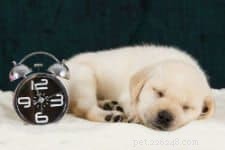
Then set an alarm for 4 hours after their bed time when you must get up and take them to their bathroom spot. No excuses, you simply must do this.
If you find your puppy has soiled in this time, you should set the alarm for half an hour earlier the next night (3.5 hours). Repeat until you find you’re waking before they’ve had an accident.
After a few days of not having a night-time accident, set your alarm for 15 minutes later and increase the time by 15 minutes for each successful night they do not have an accident.
The time a puppy can last over night without needing to potty increases dramatically during their first few weeks so you’ll find this is OK to do.
If you find they make a mistake one night before you wake, set the alarm back half an hour, make sure they stay dry a few days and then increase 15 minutes nightly again.
Within a few short weeks you’ll find they can last a full 7 hours without needing a bathroom break.
And by using this schedule, you strike a good balance between a couple of inevitable accidents while stretching out the time at a good pace to lasting a full night.
It’s important that your puppy isn’t forced to eliminate in their crate as it can ruin their natural instinct to keep it clean, the very thing we take advantage of to help the house training process.
This is why I recommend if you find a mess you set the alarm for half an hour earlier, a reasonably big step back to where they’ve been successful at before.
If they soil their crate more than once in any given week, you may have to progress slower (add 15 minutes every 2 or 3 days), or perhaps sleep them in a papered exercise pen or their confinement room.
Maintaining their instinct to keep the crate clean is of utmost importance.
You should also consider consulting your vet to make sure it’s not a medical problem causing the mistakes.
When you take them out at night, say your chosen cue word, take them straight to their bathroom spot, praise them gently when they finish their business but do not reward them with anything else.
The last thing you want is to teach your puppy that during the night is a time for play or food treats!
This will come back to haunt you in a big way and result in noisy sleepless nights. You want your puppy to learn that night-time is for sleeping and for nothing else.
When the alarm goes off, collect them, take them to potty, praise with a simple, deadpan ‘Good potty! ‘ then silently take them back and return to sleep until the morning. Do nothing else.
No two puppies are the same. Some will be able to last the whole night without a potty break at 10 weeks (rarely), and some may not be able to at 15 weeks (also rarely).
But certainly by 16 weeks old your puppy will be able to last a 7 hour night without needing to potty if you do not feed them for 3 hours or provide water for 2 hours before bed time and allow them to empty themselves right before you lay down for the night.
 © Depositphotos.com / Nivens
 If you seem to be making little progress and your puppy is weeing and pooping randomly all the time, or just doesn’t seem to be developing bladder control, it could be due to medical reasons.
If you are feeding, exercising, training and playing with your puppy to a schedule, and when you look at your diary there seems to be no pattern to the times they need to potty, you should seek the advice of your vet.
Common ailments such as gastroenteritis, urinary tract infection and health issues affecting internal organs and the genitalia can lead to a dog needing to potty much more frequently, often leading to eliminating in the house.
Also, you should regularly check the firmness and consistency of their stools and if they’re too hard and dry, or soft and runny, there’s likely something wrong with their diet or a medical condition to blame. Again, seek the advice of your family vet.
You cannot successfully house train a puppy who is ill because their bodily functions will be too unpredictable. But of course if they’re ill, you want to have them back to good health anyway!
The simple answer is:‘When your puppy’s proven that they know to never soil inside your home.’
The average will be between 6 and 7 months old. The élite few may be some weeks earlier and yet others, particularly the smaller breeds, may take from 8 to 10 months. But 6 to 7 months is the ball park figure to aim for.
However, you have to be careful here and can’t judge it by a clock or calendar, you have to judge it by your puppy’s behavior and only stop when they have proven you can trust them.
A single mistake in the home can cause a major setback.
A puppy may not make a mistake for 2 weeks, then you give them too much freedom, they make a mistake and all of a sudden they are regularly trying to potty in the home again.
Also, some puppies just seem to forget everything for a few days now and then while growing up, even after being perfect for a couple of weeks.
Please remember this, expect it even, because it’s perfectly normal and you shouldn’t get worried or think your dog is being naughty. Just stick to your plan and they WILL eventually get it.
So anyway, it’s in your best interests to show caution and not be too hasty to end the house training process.
My advice would be to continue until they haven’t even attempted to make a mistake for at least 6 weeks so you can be sure they really have ‘got it ‘.
With house training, the fewer mistakes you allow your puppy to make and the more they are rewarded for doing the right thing, the quicker they will learn and the faster you will find success.
Because of this, the more effort you put in and the more time you spend with your puppy at the beginning – supervising to correct mistakes and taking them to their bathroom spot many times each day – the better.
But there are many other things you can do to help yourself and your puppy to find success. Setting up routines and schedules, controlling your puppy’s diet, understanding your puppy’s capabilities at different ages, working with their natural instincts and more besides.
This guide has provided you with all the theory, strategies, tips and tricks you will ever need to successfully house train your puppy as quickly and efficiently as possible, with the fewest mistakes along the way.
Put into practice what you’ve read within this guide and with a little patience and dedication you will be able to turn any puppy into a house training champion.
This was part 11 in a 12-part series where I’ve tried to provide all the guidance you could possibly ever need and covered everything I can think of for you to successfully house train your puppy or adult dog.
以下のリンクからシリーズ全体をご覧ください:
This guide has taken me many weeks to put together so I’m hoping it will prove useful to people.
I would love to hear any feedback you have whether good or bad, so I can improve the guide over time and make sure it’s as useful as can be.
If you have any feedback, comments, questions or suggestions on how to house train a puppy, please add them to the comment section below and I will answer every one. Thank you :-)
For an entire website dedicated to House Training:www.TheHouseBreakingBible.com
For many example schedules for puppies of different ages, see:Housetraining from ‘The Academy’, Canada.
For a nice, detailed guide with some further tips and advice, see:How To Potty Train A Puppy, from ‘Fido Savvy’
新しい介助犬の子犬のために私たちが入手するすべての備品のリストについては、PuppyInTraining.com ブログの新しい子犬のチェックリストをご覧ください。
何千年もの間、犬は人間の親友であり、人間の習慣や感情に直感的に応えるように進化してきました。あなたの犬があなたがいつ寝ているかを知っているかどうか疑問に思っているなら、私たちはあなたが必要とする答えを持っています! 犬の賢さを正確に判断するのは簡単ではありませんが、多くの研究者は、成犬の賢さは 2 ~ 2 歳半の子供と同等であると考えています。これは犬の知能のおかげで、飼い主の睡眠習慣など、家庭の習慣を学習することができます。 そうです。犬は、目を閉じてベッドに横たわったり、ゆっくり呼吸したりするなど、あなたの行動の変化に気づくので、あなたがいつ眠っているのかがわかります。 あなたの犬は就
ぽっちゃりした子犬を扱うために利用できる多くのリソースがありますが、低体重の犬が体重を増やすのを助けるためのリソースは少ないです。犬は、さまざまな理由で、また長引く病気や外科的処置から回復するときに、健康的な体重を維持するのに苦労することがあります。すでに健康な犬の場合、通常の食事から余分なカロリーを摂取することを確認するだけで、低体重の犬が健康的な体重になるのに十分な体重を増やすことができる場合があります。ただし、飼い主やペットにとって、犬の体重を増やすのは難しい場合があります。低体重の犬は、肥満の犬とは異なる課題に直面します。あなたの獣医はあなたの栄養とあなたのペットの健康の他のすべての側