
新しい子犬を訓練するのは信じられないほど難しいプロセスです。新しい子犬のハウストレーニングと行動トレーニングの間は、フルタイムの仕事に似ています。その仕事と実際の仕事を組み合わせると、 仕事をしていると、どうしても近道が必要になるかもしれません。言うまでもなく、新しく迎え入れた犬が過去に何らかのトラウマを抱えていて、その犬を非定型的な性格にしている場合、このプロセスはさらに困難になる可能性があります。特に頑固な性格など、一見単純そうに見えるものでさえ、問題を複雑にする可能性があります。
子犬を家やライフスタイルに適応させるのに苦労しているなら、あなたは正しい場所にいます。私たちは、子犬をしつけるための 101 のヒントとテクニックのリストをまとめました。これには、ハウスブレイクから服従トレーニング、クレート トレーニング、子犬トレーニング パッドまで、あらゆるものを網羅しています。さらに、人気のトレーニング ビデオ、ガイド、製品へのリンク、新しい子犬をライフスタイルや日課にうまく慣れさせるために必要なものすべてが含まれています。

1.それは自然なことです。 「理論的には、それはそれほど難しいことではないはずです。野生では、子犬は寝たり食べたりする場所で自分の仕事をしてはいけないことを自然に学びます。母親が巣穴をきれいに保ち、子犬が汚したものをすぐに取り除くので、子犬はそれを学びます。周囲にその匂いがなければ、子犬はその場所が自分自身を休める場所であるとは関連付けません。」 – 子犬のトイレトレーニング 、セザールの道。 Twitter:@cesarmillan
2.スケジュールを立てましょう。 「これはハウストレーニングを成功させるために非常に重要です。子犬の膀胱は小さいので、水はその中をただ流れていくだけです。固形物にも同じことが当てはまります。入って出ていきます。子犬に正しいことをする十分な機会を与えていることを確認する必要があります。」 – Mara Bovsun、子犬のトイレトレーニング方法:成功のための包括的なガイド 、アメリカンケネルクラブ。 Twitter:@akcdoglovers

3.不可能なことを期待しないでください。 「まず理解すべきことは、子犬は生後4か月までは排泄筋を制御できず、排泄筋の発達時期は子犬によって異なります。小型犬は膀胱が小さいため、より頻繁に排尿する必要があります。」 – Estelle W.、パピートレーニング:ハウスブレイクを成功させるために知っておくべきこと 、見つかった動物。 Twitter:@FoundAnimalsOrg
4.彼らはあらゆるものを追いかけます… 「起床後、遊んでいる間や遊んだ後、飲食後はすぐに外に連れ出してください。」 – 子犬をハウストレーニングする方法 子犬にとってより安全な場所。 Twitter:@SaferPups

5.以前の取り決めを考慮に入れてください。 「子犬の以前の生活環境も予測材料のひとつです。より望ましい習慣を確立するためには、子犬が古い習慣を打ち破るのを手助けする必要があるかもしれません。」 – 子犬のハウストレーニング 、WebMD。 Twitter:@WebMD
6.最初の 1 週間が一番大変です。 「子犬のトイレトレーニングの最初の一週間は疲れますが、確実に楽になると約束します。そもそもなぜ子犬を飼おうと思ったのか疑問に思うかもしれません。信じてください、私たちは皆、経験があるのです。でも、最初の一週間を過ぎると楽になっていきます。」 – Jen Gabbard、子犬のトイレトレーニングのための 5 つの簡単なヒント 、パピーリーク。 Twitter:@puppyleak

7.犬は人間ではないことを忘れないでください。 「私の経験では、ハウストレーニングが失敗する主な理由の1つは、犬の親が自分の仲間の犬を4本足の人間とみなす傾向があるためです。彼らは、床で自分を救ってくれた人を見るのと同じように、ペットの事故を床で見ます。犬は家族の一員ではありますが、人間ではありません。家の中でトイレの失敗を誤って対処すると、望んでいたものとは逆の結果が得られ、状況がさらに悪化することが非常に多いです。」 – 博士。カレン・ベッカー、この間違いを避けてください – 子犬をハウストレーニングするほぼすべての試みを阻止します 、健康なペット。 Twitter:@drkarenbecker
8. 「万が一に備えて」 子犬用パッドを使用しましょう。 「子犬用パッドは、子犬が生まれてから最初の数か月間、避けられない小さな汚れを抑えるのに非常に役立ちますが、外に出すまで待たずにトイレに行くために子犬用パッドを使用する習慣を犬に身につけてほしくありません。これを回避する最善の方法は、数時間ごとに誰かが犬の上に来て、犬を外に連れ出せるようにすることです。この方法では、子犬用パッドは単に定期的なトイレトレーニングのバックアップにすぎません。」 – James Shore、フルタイムで働いている場合の子犬の育て方 – 不可能ではありません! ラブラドールトレーニング; Twitter:@LabTrainingHQ

9.助けを求めてください。 「犬を飼っている信頼できる友人や家族がいる場合、または動物との付き合いが得意な場合は、彼らに助けを求めることを考えてください。仕事前に子犬とその必需品を家に連れていくなど、彼らにとってどのように手配できるかを考えてください。犬の世話をする友人にインセンティブや特典を提供できる方法を検討してください。特にお金を払っていない場合は、毎週夕食やその他のアクティビティに連れて行くなど、彼らが感謝するとわかっていることをしてみてください。」 – フルタイムで働いているときに子犬の世話をする方法 、ウィキハウ。 Twitter:@wikiHow
10.蜂蜜を使うとより多くの蜂が集まります。 「どの年齢の犬でも、トイレトレーニングに受け入れられる方法論はただ一つ、ポジティブ強化です。伝統的なアドバイスでは、家の中での失敗に対して犬をたたいたり排泄物で顔をこすりつけたりすることが推奨されていますが、それらのテクニックは犬にとってトイレトレーニングのプロセスをより理解しやすくするものではなく、実際に犬との関係を損なう可能性があります。覚えておいていただきたいのは、犬は私たちのように自分の排泄物を見ていないということです。彼らにとって、おしっこやうんちは非常に興味深いものなのです。家に入ったからといって犬を罰しても、犬が何を理解するのには役立ちません。」トイレトレーニングを成功させるには、忍耐と優しさ、そして新しい子犬がルールを学んでいる最中であることを忘れないことが必要です。」 – Victoria Schade、犬のトイレトレーニング方法 、ペットMD。 Twitter:@petMD
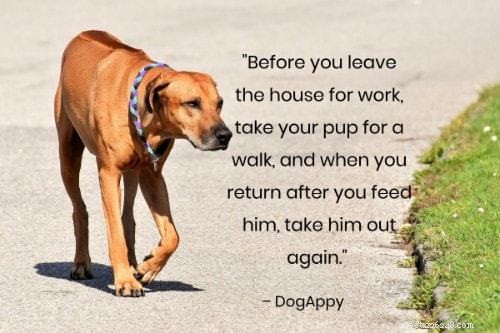
11.子犬を離れる前に、準備を整えてください。 「仕事で家を出る前に、子犬を散歩に連れて行き、餌をあげて戻ってきたら、また外に連れ出しましょう。」 – 一日中仕事をしているときに子犬をハウストレーニングする方法 、 ドッグアッピー
12. 事故は起こります。 「間違いは起こるものです。子犬が家の中で数回事故を起こすことは覚悟してください。これはハウストレーニングの正常な部分です。[…] 家の中で排泄したからといって子犬を罰しないでください。汚れた場所を見つけても、矯正するには遅すぎます。ただきれいに掃除してください。子犬の鼻をこすったり、その場に連れて行って叱ったり、その他の罰を与えても、子犬はあなたを怖がったり、あなたの前で排泄することを恐れたりするだけです。」罰は多くの場合、良いことよりも害を及ぼすことになります。」 – 犬や子犬をハウストレーニングする方法 、アメリカ合衆国人道協会。 Twitter:@HumaneSociety
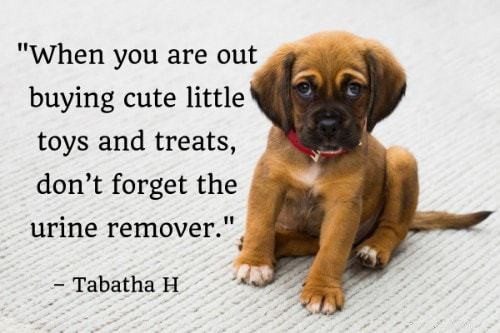
13.上記の事故に備えて計画を立ててください。 「かわいいおもちゃやおやつを買いに出かけるときは、尿除去剤を忘れないでください。古い洗剤だけを使っても大丈夫だとは思わないでください。たとえあなたが臭いを嗅げなくなったとしても、あなたの犬には臭いが取れます。犬の汚れを掃除するのに特化した洗剤が必要です。それは犬の臭いも取り除いてくれます。犬は臭いがするところへ行き続けます。行き先を探しているときに地面の匂いを嗅いでいる犬を見たことはありますか?これが、通常、犬が以前行ったことのある場所、または以前に行った場所を探している理由です」他の犬が持っている場所。」 – Tabatha H、フルタイムで働いているときに子犬をハウスブレイクするための 5 つのヒント ドッグビル。 Twitter:@DogVills
14.彼に注目してください。 「子犬と一緒に家にいるときは、子犬が外に出なければならない兆候がないか注意深く観察してください。これには、歩き回ったり、ドアをひっかいたり、泣き言を言ったりすることが含まれます。すぐに子犬を外に連れ出し、適切なトイレの場所を使用したときは褒めてください。」 – Lori Lapierre、一日中仕事をしている場合に子犬を大掃除する方法 、巣。 Twitter:@TheNest
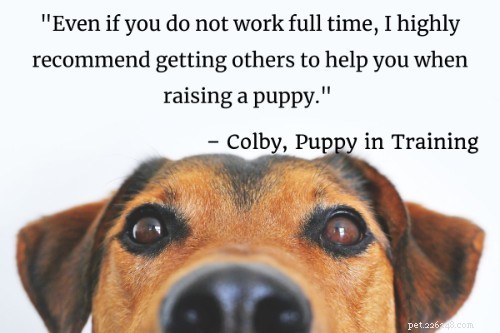
15.あなたが働いている場合、子犬を育てるのに村がかかる可能性があります。 「1人以上の人に手伝ってもらうことをお勧めしますが、子犬は日中に一人で過ごす時間にも慣れるべきです。子犬を1日2回、1〜2時間以上箱に入れないようにすることを目標にします。フルタイムで働いていなくても、子犬を育てるときは他の人に手伝ってもらうことを強くお勧めします。盲導犬や介助犬のコミュニティでは、『子犬を育てるには村が必要だ』とよく聞きます。ところで、あなたは、あなたの子犬は、放っておかれるよりも、いつも人と一緒にいるのが楽しいと思いますが、ほとんどの人は、四六時中子犬と一緒に時間を過ごすことはできません。」 – コルビー、フルタイムで働いているときは、子犬と何をしますか? 訓練中の子犬。 Twitter:@PuppyInTraining
16.彼の勝利を祝いましょう。 「子犬がトイレに行く前にアパートの外に出すという課題が増えると、勝利を祝うことがますます重要になります。犬はポジティブな強化に驚くほどよく反応します。あなたの楽しい声を響かせるだけで、おやつよりもトイレトレーニングに役立ちます。室内で事故を起こした子犬を罰したり怒鳴ったりしないでください。罰は信頼できない子犬を訓練するだけであり、不安に関連した問題行動につながる可能性があります。」 – ディナ・ファンテグロッシ 、トイレ ゲーム:アパートで子犬を訓練する方法、 AMLI 住宅。 Twitter:@AMLIapts
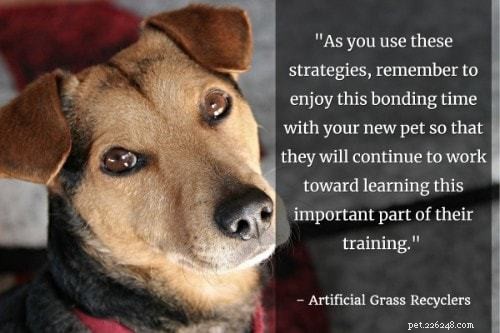
17.これは絆の時間でもあることを忘れないでください。 はい、彼を訓練する必要があります。ただし、信頼関係を築くことは彼のトレーニングを容易にするだけなので、スキップしないでください。 「これらの戦略を使用するときは、新しいペットとの絆の時間を楽しむことを忘れないでください。そうすれば、ペットはトレーニングのこの重要な部分を学ぶために努力し続けることができます。」 – アパートで子犬をトイレトレーニングするための 7 つのヒント 、人工芝リサイクル業者。 Twitter:@agrecyclers
18.メモを取ります。 「数週間、私はすべてを書き留めました。すぐにパターンが見えるようになり、エミリーより先回りできるようになりました。たとえば、彼女は毎晩午前2時頃に泣き始め、体を掻き始めました。大騒ぎし始めた時には手遅れでした。そこで、1時45分に目覚ましをセットし、十分な時間内に彼女を通りに連れて行きました。人々に怒鳴られて興奮したとき(それは頻繁にありました)も含め、すべてを書き留めました。それがすべての違いを生んだのです。」 – Mara Bovsum、ビッグドッグ、大都会:ハウストレーニングを効果的にする方法 、アメリカンケネルクラブ。 Twitter:@akcdoglovers
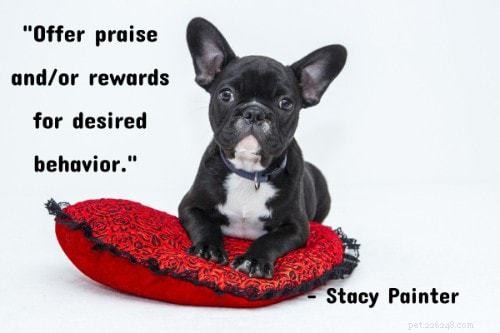
19. 彼のやり方で彼に報酬を与えましょう 報われたい。 「望ましい行動に対して賞賛やご褒美を与えてください。犬が口頭での賞賛、お気に入りのおもちゃ、特別なおやつに最もよく反応するかどうかに関係なく、適切な場所にうまく移動するたびに必ずポジティブな刺激を与えてください。」 – Stacy Painter、アパートに住んでいるときに子犬のトイレトレーニングを行う 、予防獣医師。 Twitter:@PreventiveVet
20.トレーニングの終わりに向かって、ベルを紹介します。 「犬をハウストレーニングするための素晴らしくて楽しい方法は、トイレに行きたいときにトイレのベルを鳴らすように教えることです。これは、犬が外でトイレに行くことを好むようで、それをあなたに伝えるための良い方法を与えたいと思った後に教えるのが最適です。犬のベルは、事故が少ない犬や玄関先で事故を起こした犬に特に効果的です。犬にベルを鳴らすように教えることで、犬がそのような手段に頼る必要がなくなります。ドアをひっかいたり、外へ出してと吠えたりするなどの「非文明的な」行動。」 – Jess Rollins、ドッグベルのトレーニング:トイレに行くためにベルを鳴らすように犬をトレーニングする ペットの専門知識; Twitter:@PetExpertise
子犬のトイレトレーニング用のリソースと製品をチェックしてください:

21.犬用クレートの目的を理解する。 「犬は本来、巣穴をもつ動物です。野生では、犬の巣穴は彼らの家であり、危険を恐れず、外からの脅威もなく、寝たり、隠れたり、子犬を育てたりできる安全な空間です。飼いならされた犬にとって、クレートは安全な避難場所に対するこの自然な欲求を満たすものです。正しく導入され、使用されれば、クレートは犬が自発的に眠り、嵐のときに隠れ、おそらく自分のスペースであるという理由以外の理由でその中で横になることを選択する場所になります。」 – サラ ローガン ウィルソン、子犬のクレート トレーニング:おしっこのない家への鍵 犬ジャーナル; Twitter:@CanineJournal
22.クレートを悪用しないでください。 「クレートは、犬の一般的な行動を解決する魔法のような解決策ではありません。正しく使用しないと、犬は閉じ込められ、イライラする可能性があります。罰としてクレートを決して使用しないでください。犬はクレートを怖がるようになり、中に入ることを拒否します。」 – クレート トレーニング 101 、アメリカ合衆国人道協会。 Twitter:@HumaneSociety
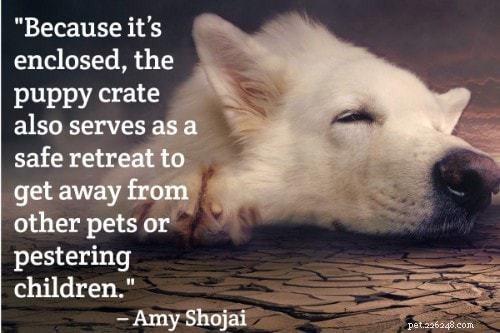
23.クレートトレーニングには大きなメリットがいくつかあります。 「クレートはベッドとして機能します。密閉されているため、子犬のクレートは他のペットやせがむ子供から逃れるための安全な隠れ家としても機能します。誰にも邪魔されない、自分だけのプライベートな場所が欲しいと思いませんか?子犬も同じです。クレートは、やんちゃな子犬を閉じ込める安全な場所でもあります。そうすることで、あなたが見ていないときに子犬をトラブルから守ることができます。それに、ほとんどの犬は常に閉じ込められなければなりません」たとえば、車で移動するときや獣医のところに滞在するときに、クレートについて理解し、受け入れることは、子犬のトイレトレーニングに役立つ最良のツールの 1 つです。」 – Amy Shojai、パピー クレート トレーニング トウヒのペット。 Twitter:@amyshojai
24.クレートトレーニングのプロセスを理解します。 「犬の年齢、気質、過去の経験に応じて、クレートトレーニングには数日から数週間かかる場合があります。クレートトレーニング中は次の 2 つのことに留意することが重要です。クレートは常に楽しいものと関連付けられている必要があり、トレーニングは一連の小さなステップで行う必要があります。急ぎすぎないでください。」 – 犬をクレートトレーニングする方法 、足。 Twitter:@PAWStweets
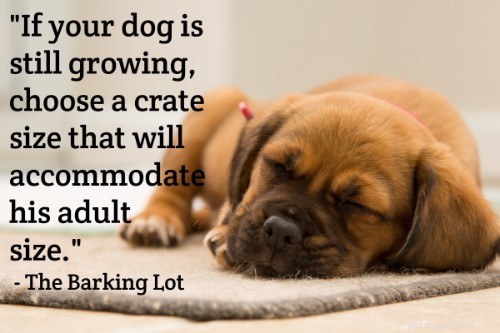
25.適切なクレートを選択してください。 「犬のクレートは、犬が立ち上がって向きを変えるのに十分な大きさでなければなりません。犬がまだ成長している場合は、成犬のサイズに合わせたクレートのサイズを選択してください。犬が一方の端から排泄してもう一方の端に逃げられないように、余分なクレートのスペースを遮断してください。地元の動物保護施設がクレートをレンタルしている場合があります。レンタルすることで、恒久的なクレートに投資できるようになるまで、子犬が成体サイズに達するまで、子犬に適切なサイズに交換できます。」 – クレート 101:クレート トレーニングのガイド 、バーキング・ロット。 Twitter:@TBLTweets
小型犬用のベスト クレートと大型犬用のベスト クレートのリストをチェックして、子犬に最適なクレートを見つけてください。
26.クレートについて適切な説明を行います。 「クレートを家の慣れた場所に置き、クレートのドアを開けたままにしておきます。おやつやおもちゃをクレートの中や周りに置いておくと、犬がクレート内を探索するようになります。このステップは、犬が最初にクレートに出会ったときの快適さによって異なりますが、数日かかる場合があります。子犬にクレートトレーニングの各段階に適応する十分な時間を与えると、トレーニングプロセス全体がスムーズに進むのに役立つことを覚えておいてください。」 – Erica Jorgensen、ヒント子犬のクレートトレーニングに:泣き叫ぶ必要はありません 、毎日のおやつ。 Twitter:@RoverDotCom
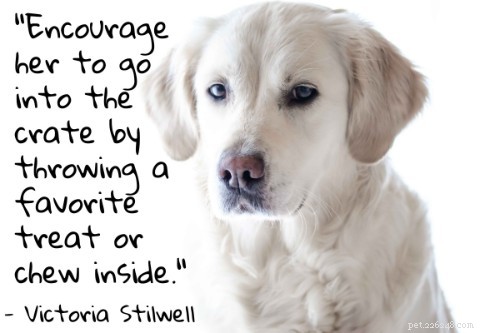
27.子犬に無理強いをしないでください。 「お気に入りのおやつを投げたり、クレートの中に噛んだりして、子犬がクレートに入るように促します。子犬が落ち着きたいと思ったら、ドアを閉めずにそうさせて、そこに留まるか離れるかを自分で決定できるようにします。子犬がクレートに入るのに慣れたら、一度に数秒ずつドアを閉め始め、子犬がリラックスしている間、徐々にその時間を増やしてください。」 – ビクトリア スティルウェル、クレート トレーニング 、積極的に。 Twitter:@VictoriaS
28.ドアを閉めた状態で短時間から始めてください。 「彼を中に入れたままドアを閉めようとしたことさえありません。そうでしょう?これは、彼にクレートの中に入るのを絶対に好きにしてもらい、ドアを怖がったり心配させたりしないようにしたいので重要です。彼がそれを理解したら、ドアを閉める準備ができている必要があります。中断したとおりにセッションを開始しますが、今回は彼が最後に投げ込んだおやつを食べている間、数秒間クレートのドアを閉めます。食べ終わる前にクレートのドアを開けて外に出してください。これを約3〜4回繰り返します。次のステップは、子犬を中に入れたまま、ドアを閉める時間を徐々に増やしていくことです。もちろん、数分ではなく、ドアが閉まっている間におやつをクレートの中に入れて、その場から離れずに、お気に入りのおもちゃやコングのぬいぐるみを入れておくと、子犬のクレートトレーニングのプロセスが早くなります。」 – シャロン、子犬のクレート トレーニング 、犬の世話の知識。 Twitter:@Dogcareknow
29.徐々に就寝時間をクレートに入れていきます。 「すぐに、犬は自発的にクレートを喜んで使用するようになります。この段階に達したら、(その前ではなく)犬が寝るまで待ってからドアを閉めてください。部屋の中にいて、目が覚め始めたら外に出してください。犬がこの習慣に慣れてきたら、目が覚めた後も(飼い主がまだ部屋にいたまま)1分間放っておいてください。徐々に(約1週間かけて)これができる時間を増やしてください。」 – スタン・ローリンソン 子犬をクレートトレーニングする簡単な方法 、ドッグリスナー
30 。まだ夜中に起きなければなりません。 「トレーニングを開始するとき、特に生後8週間から12週間の間は、子犬を2時間ごとにクレートから出してください。米国動物愛護協会のウェブサイトによると、生後6か月未満の子犬は、一度に最大で3~4時間クレートの中に入れることができます。これは、6か月以上の間、毎晩真夜中に起きなければならないという意味ではありません。しかし、一定期間は徹夜はできないでしょう。犬は自力でずっと寝ます。」膀胱が熟睡している夜は、おしっこをしたくないのですが、目が覚めたらそうなります。」 – メロディー アン、私の子犬は夜、クレート内の別の部屋で寝てもいいですか? 、巣。 Twitter:@TheNest
31.寝る前は水分を控えましょう。 「双方にとってこのプロセスを容易にするために、就寝時間の2時間前に水を飲み、夜寝る前に最後に子犬と一緒に出かけることをお勧めします。スケジュールを守ってください!犬は予測可能な状況により容易に適応し、正規化されたスケジュールに従うことを好みます。」 – チェットウーマック 、子犬のクレートトレーニング 、犬の訓練の秘密。 Twitter:@DogTrainer411
32. ガイドラインを遵守してください。 「経験則として、犬はクレートに入れていない間も社会的、身体的ニーズが満たされていれば、一晩から半日まではクレートに入れることができます。若い子犬は成犬よりも頻繁な昼寝と、「用事を済ませる」機会がはるかに頻繁に必要です。子犬が用を足すまで待てる時間の目安は、生後数か月に1時間を加えた数時間です。つまり、生後3か月の子犬なら約4時間耐えることができます。一晩は通常少しだけ抱っこすることができます。通常、日中の最長時間の約 1.5 倍、生後 3 か月の場合は約 6 時間ですが、子犬は生後 5 か月になるまでに徹底的に社会化する必要があることを忘れないでください。したがって、起きている時間とクレートから出ている時間は社会化にとって非常に貴重です。」 – ジェニファー メッサー、クレートに関するトレーナーの真実 、モダンドッグマガジン。 Twitter:@ModernDogMag

33.クレートの中で長時間過ごすと、子犬にとって有害になる可能性があります。 「長期間の監禁は有害であると信じている人もいます。そして、ペットの犬を1日合計最大18~22時間も小さな箱に閉じ込めている人もいるそうです。箱に入れられすぎた犬は、『檻の怒り』から、不安、恐怖、うつ病などの合併症を引き起こす可能性があると彼らは言います。」 – ソフィヤ・ステファノビッチ 犬小屋の中で:犬をクレートすることがペット虐待になるのはいつですか? 、ガーディアン紙。 Twitter:@guardian
34. 彼に裏切られたという感情を植え付けないでください。 「特にトレーニング中は、犬がクレートの中で過ごす時間の長さを常に変えてください。これにより、犬が特定の時間に外に出されることを『期待』することがなくなり、クレートのドアで鳴いたりひっかいたりするなどの問題が軽減されます。」 – 犬のクレート トレーニング 、RSPCAビクトリア。 Twitter:@RSPCAVIC
35 。木箱は多くの目的に役立ちます。 「犬小屋のクレートは、車や飛行機で旅行する際の犬の旅行用キャビンとしても機能します。さらに、敷地内で犬を受け入れているほとんどのホテルでは、ホテルの家具や敷物が傷つくのを防ぐために、室内では犬をクレートに入れることが義務付けられています。」 – ロビン コバリー、クレート トレーニング 、インチ:インターネット チャネル
36.子犬をクレート内で快適にしてあげましょう。 「クレートに寝具を用意する必要もあります。犬が布地や土の寝具を噛まない場合は、クレートの中にタオルや薄い毛布を敷いてもよいでしょう。新聞紙は、特に紙の上に行くように訓練されている犬には、『トイレはここにあります』というメッセージを送る可能性があるため、お勧めできません。寝具が提供されている場合、数匹の犬がクレートの中で排尿します。犬がそうする場合は、寝具は寝るためのものであり、寝るためのものではないことを子犬が理解し始めるまで寝具を外してください。」トイレパッド!」 – クレート トレーニングとハウスブレイクが簡単に:子犬のハウス トレーニング 、ドッグタイム。 Twitter:@dogtimedotcom
37.場合によっては木箱が必要なだけです。 そして、もしこれらのことが起こったら、あなたの子犬は一歩先を行くのではないでしょうか? 「あなたの子犬が処置や手術のために獣医に行かなければならない場合、その前後は犬用ケージに入れられます。このように閉じ込められることに慣れていれば、手術前後のストレスはずっと少なくなります。犬によっては、病気や手術後に運動を制限しなければならない場合もあります。」 – Jo Laurens、子犬のクレート トレーニング – 究極のエキスパート ガイド ハッピーパピーサイト
38.混乱した時代にはクレートが役立つかもしれません。 「成犬にとっても、食事時や来客時にクレートを付けることは良いアイデアです。その時は、どんなに愛想の良い犬でも迷惑になることがあります。」 – クレートの期待:犬のクレート トレーニング 、ペットスマート。 Twitter:@PetSmart
39.決して犬をクレートから引きずり出さないでください。 「お風呂など、犬が嫌がると予想される仕事を計画している場合は、犬が犬の意図に気づく前にクレートのドアを閉めて、犬がその中に隠れられないようにしてください。あなたが犬を巣穴から引きずり出そうとすることで、犬の安全な避難所が戦場になるのは避けたいのです。」 – バーバラ フィッツジェラルド、クレート トレーニングに関する 5 つのヒント:子犬をクレートするための良い方法 、ペットの役に立つ; Twitter:@PetHelpful
40 。 クレートやその周囲の恐怖を決して無視しないでください。 「子犬を怖がらせるものを見つけて、それを排除してみてください。場合によっては、それがクレートそのものである場合もあります。ストレスを軽減するためにクレートを変えてみてください。もう 1 つの考えられる問題は、子犬が巣穴から出たくないときに、あなたが彼女を巣穴から連れ出そうとしていることかもしれません。決して子犬を強制的に外に出そうとしないでください。代わりに、口頭での命令でクレートから出るように教えてください。」 – Alexandra、子犬を早くクレート トレーニングするための 8 つのステップ (完了)ガイド) 、アニマルソ
子犬のクレート トレーニング用のリソースと製品をチェックしてください:
41.短くしてください。 「子犬はすべてをゲームとして捉えるので、学習内容を変えて刺激を与え続けてください。各コマンドを 5 分ほど実行し、できる限りいつでもそのコマンドに戻ってください。」 – 子犬に教える:服従訓練の基本 、ヒルズペット。 Twitter:@HillsPet
42.早めに始めて絆を築きましょう。 「子犬と良好な関係を築き、将来の多くの問題を防ぐために、子犬が落ち着いてから数日後にトレーニングを開始してください。友情と信頼に基づいた関係があれば、子犬はあなたの賞賛と承認を得るために一生懸命努力するでしょう。」 – キャシー サント 子犬のトレーニングの基本 IAMS; Twitter:@IAMS
43.いいえ、本当に 早い。 「子犬を家に迎え、ハウストレーニングを開始した瞬間から子犬を訓練することになります。子犬は生まれてすぐから学習を開始し、優れたブリーダーはすぐに扱いや社会化を始めます。一部の訓練は、子犬が目を開けて歩くことができるようになるとすぐに開始できます。若い子犬は集中力が持続する時間が短いですが、生後7〜8週目という若さで、『座る』、『座る』、『留まる』などの簡単な服従命令を学び始めることが期待できます。」 – Debra Horwitz、 子犬の行動とトレーニング – トレーニングの基本 、VCA病院。 Twitter:@VCAPetHealth
44. 彼らを訓練することで、将来の問題行動が軽減されます。 「犬には犬独自の一連の行動上の問題があります。しつけが欠けていると犬の行動に悪影響を及ぼし、愛するペットが従順でない、攻撃的、または手に負えない犬になってしまう可能性があります。犬の飼い主としてこれらの問題を認識し、それに応じて犬を訓練する必要があります。」 – 犬の訓練方法 、ペットの犬を訓練します。 Twitter:@trainpetdog

45 。 彼の名前は重要だ。 「もちろん、新しく迎えた子犬や愛する犬の名前を付けたいと思うでしょうが、しつけの目的から、強い子音で終わる短い名前を検討することも役立ちます。そうすることで、いつでもはっきりと聞こえるように名前を言うことができます。強い語尾(つまり、ジャスパー、ジャック、ジンジャー)は子犬の耳を元気づけます。特に最後に強く強調した場合です。」 – トレーニングに関する 10 のヒント 、血統。 Twitter:@PedigreeUS
46 。適切な訓練を受ければ、あなたの犬はより良い地域社会参加者になれます。 「服従のためのドッグトレーニングは、犬を社会の責任ある一員として教育するための一連のルールや境界線を定めます。他の犬、動物、人々との関わり方、基本的なマナー、どんな状況でもどのように行動するかが含まれます。」 – 服従のための犬の訓練 – 行儀の良い犬を育てる鍵 、ドッグトレーニングセントラル。 Twitter:@ThePaw_com
47 。彼の語彙力を鍛えましょう。 “The most important words are ‘No,’ which means, ‘Stop whatever you’re doing,’ and ‘Good,’ which means ‘I like what you’re doing.’ These praise and correction words should be started at 2-3 months of age. You must teach these words properly, with the right tone of voice and the right body language, or they won’t be of any help in teaching other words. If your puppy is older than 2-3 months and hasn’t learned ‘No’ and ‘Good’ flawlessly, you must start with those words before you can expect success with other word training.” – Ralph and Michele Welton, Puppy Training Schedule:What To Teach Puppies, and When, Your Purebred Puppy; Twitter: @yourpurebredpup
Check out our list of the Best Dog Training Collars to find the perfect training collar for your puppy.
48. Give plenty of affection. “Most people don’t have a problem being very clear about when they are unhappy with their dogs, but, they often ignore the good stuff. Big mistake! Make sure you give your dog lots of attention when he’s doing the right thing. Let him know when he’s been a good boy. That’s the time to be extra generous with your attention and praise. It’s even okay to be a little over the top.” – Traci Theis and Kellyann Conway, Top Ten Dog Training Tips, Pet Finder; Twitter: @petfinder

49. But don’t overwhelm the puppy. “Your new puppy has just been taken away from her mom and littermates. She is vulnerable and impressionable. What she needs now is security and routine. Play with her quietly and gently. Don’t flood her with attention and activity. If she looks like she wants to sleep, leave her alone. Puppies need lots of sleep.” – Training Puppy the First Week, Perfect Paws
50. Know your dog’s personality. “Intuitively, we all know that our dogs are like no others. They react hilariously to the most benign and everyday of sounds, or they sleep on their backs trying to copy the humans they watch daily. But, it’s not uncommon to totally forget how unique our dogs are when it comes time to do some training. Fittingly, despite some opinions to the contrary, there is no one holy grail method of training. Get to know your dog’s personality and you’ll have the keys to effective training sessions.” – Rosalee Kaschel, How Your Dog’s Personality Affects Training , PetSafe; Twitter: @PetSafe
51. Factor in you , too. “Your dog is not the only factor to take in to consideration when you are training in basic obedience; you also play a huge part of your dogs training process. If you are considerably impatient or easily frustrated then you are going to want to approach teaching your dog obedience in short lessons that focus on one command at a time. You can also benefit from enrolling in a small obedience class that will allow you a reprieve if you are feeling overwhelmed.” – Amy Brannan, Dog Obedience Tips:Patience Is Key , Canine Journal; Twitter: @CanineJournal
52. Train yourself. “Most owners mistakenly believed they need to have their dogs trained when in fact the owners need the education more than the dog do. The most important component in any successful relationship between dog and owner is that the owner understands the dog and that the dog understands the owner.” – Matthew Kinneman, Puppy Obedience Training Tips The Top Ten Mistakes Owners Make , Vitamins For Pitbulls; Twitter: @bullymax
53. Start at home. “The best place to start puppy obedience training is at your home, where you don’t have distractions and where your puppy is familiar, so we can avoid the environmental stress factor that happens when a dog is in a new and unfamiliar place. Remember your puppy is in the learning phase, later on during our next steps we will add different stress factors and distractions.” – Mario Ancic, Puppy Obedience Training…Where It All Begins , Training Your Dog and You
54. Remember your dog wants to please you. “Understanding more about how a dog thinks and what is ‘normal’ for your dog will help you. It is important to remember that, for the most part, our dogs are keen to please – so if they are not doing as you ask, it may be because you are not being clear about what you want or are not using rewards, commands and body language in a way your dog understands.” – Dog Obedience Training, Purina; Twitter: @Purina
55. Socialize your puppy early. “Socialization means training your puppy or adult dog to accept new people, animals, and various places by exposing him to these things. Socialized dogs are less likely to develop behavior problems and are generally more welcomed by others. Socialization can also help prevent the development of fears and phobias. The bottom line is that socializing your dog or puppy will make him a happier, more well-behaved dog.” – Jenna Stregowski, 10 Steps To Train Your Dog , The Spruce Pets; Twitter: @JennaDogs
56. Start with basic commands. “To start, force yourself to slow down and focus on one command at a time with the plan to work through all of the basics, which include:sit, stay, heel, down, kennel and place.” – Tom Dokken, 4 Tips for Dog Obedience Training , Gun Dog; Twitter: @GunDogMag
57. Stay firm. “This is where you learn how to show your dog that you are the one in charge, that you are the alpha leader and that you are the person they need to listen to you. This will make training your puppy a lot easier. As your puppy grows, so will his need to assert himself. Be sure that you don’t cave into your puppy’s every whim.” – Richard Sprawson, Beagle Puppy Obedience Training Tips And Methods , Beagles In My Kitchen; Twitter: @rgs112
58. There are no shortcuts. “Be careful of advertisements for 10 minute puppy obedience training programs and the like. There are no miracle cures in puppy training.” – Puppy Obedience Training – How to Care for a Puppy , Shiba Shake
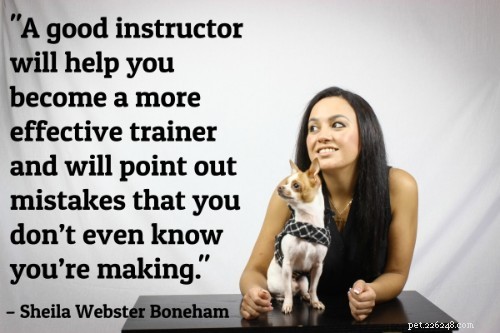
59.Consider enrolling in a good obedience class. “A class environment provides for some of the socialization your dog needs and teaches him to respond to you even with exciting distractions all around. A good instructor will help you become a more effective trainer and will point out mistakes that you don’t even know you’re making.” – Sheila Webster Boneham, How to Find a Good Dog Trainer and Obedience Class, Nylabone; Twitter: @nylabone
60. Mentally prepare for the bad days. “Not every training day is going to be perfect, but don’t get frustrated and don’t take it out on your dog. Adjust your own behavior and attitude to encourage your dog’s ability and confidence to learn. If you have a calm mood, generally your dog will, too. If the dog becomes afraid of your bad mood, he will not learn anything new. He’ll only learn to be wary and not trust you.” – How to Train a Dog , WikiHow; Twitter: @wikiHow
Check Out These Resources and Products for Puppy Obedience Training:

61. Make a connection first. “If we had just met and you wanted to take a walk with me, how comfortable would we be together at first? We most likely would be a bit guarded with one another until we knew each other better. The same is true for a relationship between a dog and their human. […] Get to know your dog and let him get to know you, too. Work on reinforcing eye contact every time you say his name – which is most likely a brand new name for your dog. Say the name or make a noise to get his attention, and when he looks at you, say YES! and toss him a good treat. Eye contact and acknowledgement that you are seeking his attention is the first step of all training, so you really can’t do too much of this.” – Annie Phenix, How to Train Your Dog to Walk Nicely On Leash , Lucky Puppy Magazine; Twitter: @myluckypuppy
62. Leash training is a critical part of maintaining your dog’s safety and promoting your bond. “Learning how to walk properly on leash makes it safer for your pet and more enjoyable for both of you (ever seen someone fighting to keep their leashed dog under control, while it drags them relentlessly down the street? Doesn’t look like much fun…). Remember that cute little balls of fluff are still very young and their attention span can be short, so patience is a must when it comes to leash training your puppy. Positive reinforcement is important – reward your puppy for every little thing he does right during your puppy training sessions.” – Puppy Leash Training Tips , Scampering Paws
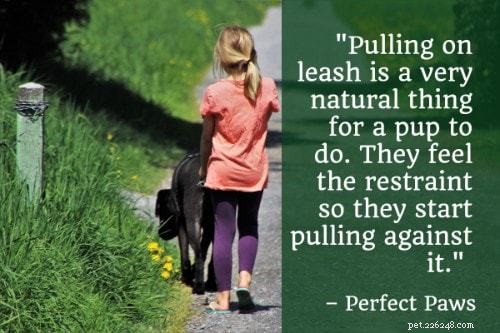
63. Give it a few trial runs before going outside. “Pulling on leash is a very natural thing for a pup to do. They feel the restraint so they start pulling against it. Let’s start the puppy leash training indoors with no distractions. Accustom the puppy to walking on a loose leash at your side. It’s important that you teach your puppy to walk on one side only. The standard is your left hand side. It really doesn’t matter which side, but choose only one and stick with it – this way your puppy won’t be tripping you up by changing sides.” – Puppy Pulling On Leash, Perfect Paws
64. Make sure your dog associates fun things with the leash. “Fill an – Fanna Easter, What to Do When Your Puppy Won’t Walk on Leash , Dog Training Nation; Twitter: @DogTrainNation
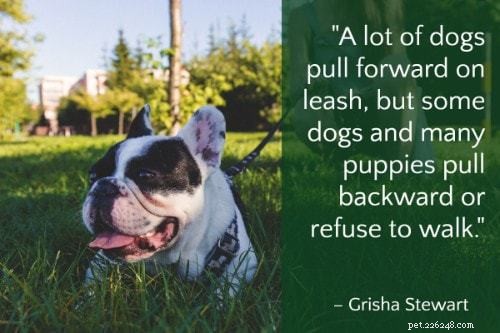
65. Your dog may be extra stubborn. “A lot of dogs pull forward on leash, but some dogs and many puppies pull backward or refuse to walk. This happens to French Bulldogs and English Bulldogs all the time! Pulling harder or luring with a treat only makes the problem worse.” – Grisha Stewart, What to Do When a Dog Refuses to Walk , Ahimsa Dog Training; Twitter: @grishastewart
66. For dogs who pull back or away, stay away from retractable leashes. “When Sunshine [the dog] pulls on the leash it doesn’t make the walk enjoyable for her guardians or the dog. The guardians had used a retractable leash, which allows Sunshine a lot of freedom. But if you have a dog that is not well behaved on the leash this additional amount of freedom can contribute to the problem. If your child is not the best driver, you wouldn’t to give it more unsupervised driving privileges; you would go back to basics and have the child practice more in a structured environment to build up the skills necessary to be a good driver. This same principal applies to your dog walking on the leash.” – Sam Kanouse, Great Leash Training Tips to Stop a Golden Retriever Puppy from Pulling on the Leash , Dog Gone Problems; Twitter: @DogGoneProblems
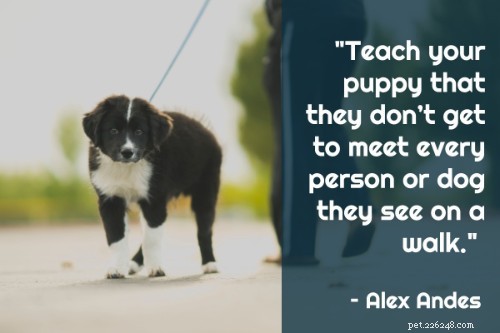
67. You must teach your puppy he can’t meet everyone. “Teach your puppy that they don’t get to meet every person or dog they see on a walk. I cannot emphasize the importance of this enough. Leash reactivity (barking, lunging, growling on leash) is the most common behavior problem I work with. In the majority of cases, it results from the dog’s frustration with being unable to get to the other dog.If we teach puppies from a very young age that walks are structured, require focus on the owner, and aren’t a social hour, it can help your puppy grow up to have reasonable expectations when seeing another dog on leash. Even with ‘social butterfly’ puppies, we don’t greet every dog we pass. When we do greet a dog or person, I teach them to sit and make eye contact with the person walking them before they are released for a brief greeting. This type of structure is critically important in order to have a dog that’s friendly and social – but also has self-control.” – Alex Andes, 5 Little-Known Puppy Training Tips You’ll Be Glad You Found , Peach on a Leash
68. Remain Calm. “Try to start all walks in a relaxed state. Often dogs get very excited to see a leash. They know it possibly means they’ll be allowed to go out and explore. Introduce the leash when your dog is calm and keep a relaxed attitude yourself throughout the entirety of your walk” – Napa ‘ze Dog, Tips for Leash Training a Puppy , Napa’s Daily Growl; Twitter: @NapatheDog

69. Use the proper gear. “Practice with a 6-foot regular leash that is long enough to create some slack. Always use a flat buckle collar or harness. No choke chains, prong collars, and definitely no shock collars.” – Sharon Dianora, Leash Training a Puppy To Walk Calmly , Dog Care Knowledge; Twitter: @Dogcareknow
70. Let him hit the jackpot! “Remain calm at all times, and utilize jackpots (more treats or better treats) when your dog accomplishes something that was difficult for him; i.e., not pulling you toward the neighbor dog! Jackpot for any eye contact or focus on you! Keep leash training sessions short and FUN! You can train several times a day, but you don’t want to push you or your dog past the point of fun! Puppies, especially, have short little attention spans, and if you insist on puppy training past the point of fun – usually around five minutes – your pup may start to dislike, and dread training!” – Leash Training Tips To Stop The Pulling And Enjoy Your Walks Again , The Dog Training Secret; Twitter: @DogTrainer411
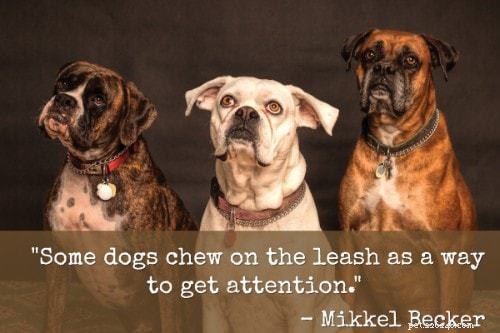
71. If he’s chewing on his leash, he may be over stimulated or desperate for attention. “Some dogs chew on the leash as a way to get attention. When your dog is walking calmly on a loose leash, no one pays attention to him, but when he acts out, the focus shifts directly to him. For many dogs, negative attention is better than no attention at all. Other dogs are over-aroused, and the easiest way to release tension is to bite on the leash. In the shelter situation, dogs frequently grab and chew on the leash, often when first taken out of the kennel and led with other dogs. The more intense the situation and the more wound up a dog is, the more likely that leash biting will occur.” – Mikkel Becker, Put a Stop to Leash Chewing and Tugging, Vet Street; Twitter: @Vetstreet
72. Not all dogs get the same gear. “A front-attachment harness is a safe and easy to use no-pull device that is great for all dogs. Choose a head collar for dogs with aggressive tendencies or for those that need the maximum amount of control such as a small owner with giant-breed dog. The front-attachment harness and head collar should only be used with leashes that are a maximum of six feet long. If the leash is too long, it is possible that he could get going fast enough to hurt himself if he were to hit the end of the leash abruptly.” – Jessica Rollins, Leash Training:How to Walk a Dog That Pulls , Pet Expertise; Twitter: @PetExpertise

73. Even if it’s worked in the past; that doesn’t mean that’s the method you should stick with. Some puppies are more resilient than others and can learn to walk on a leash despite the method. “My general rule of thumb is that we should use methods that focus on rewarding the correct behavior, starting with steps the dog can easily perform and quickly moving on to steps that are closer and closer to our goal behavior; rather than methods that rely on sheer luck that the type of dog you selected can endure it mentally unscathed. And if we choose methods that are as crude as dental care in the 16th century, we should realize that some dogs learn no matter what we do to mess them up.” – Dr. Sophia Yin, My Puppy Won’t Walk on Leash! 3 Ways to Train Your Puppy to Love Her Leash , Cattledog Publishing, the Legacy of Dr. Sophia Lin; Twitter: @SophiaYin
74. Treat well and treat frequently. “Keep your dog’s leash short enough that he cannot easily leave your side, thereby modeling the position you want him to be in. Don’t keep it so short that you’re dragging him, though. Simultaneously lure him into the correct area by your side with tiny treats. You can mark the behavior with a word or clicker if you like. When he starts to get the idea, stop luring but do reward him for staying by your side. Give a treat every few steps at first, increasing the distance you walk between treats until he forms the habit of walking at your side without treats. You can also give him a bit more leash as long as he doesn’t weave or circle.” – Teaching Your Dog to Walk on a Leash , Nylabone; Twitter: @nylabone
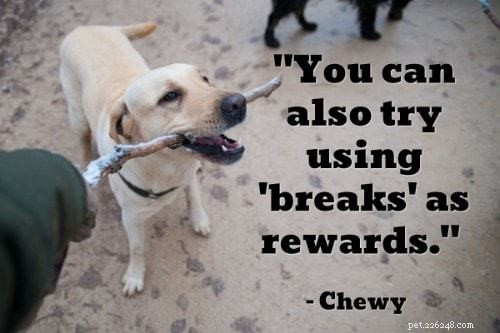
75. Rewards are more than just treats. “You can also try using ‘breaks’ as rewards. For instance, if (or, more likely, when!) he wants to sniff around, ‘Ask for a sit or eye contact first, then let him sniff and ‘be free’ for a bit, before walking nicely again,’ advises Mayer.” – How to Leash Train a Dog , Chewy; Twitter: @Chewy
76. Don’t start to early and don’t skip the home training. “I recommend waiting until they’re 10 weeks old. This is because until 12 weeks old, they’ve no need for ID tags as they’re just too young to take outside further than your back yard while they complete their vaccination program. And during house training you don’t need to lead them outside, they’re so small at this age that you can simply scoop them up and carry them. But by getting them used to a collar and leash at 10 weeks old, they will be comfortable wearing them by 12 weeks when you can start to walk them outside.” – LTHQ, How To Get Your Puppy Used To A Collar And Leash , Labrador Training HQ; Twitter: @LabTrainingHQ
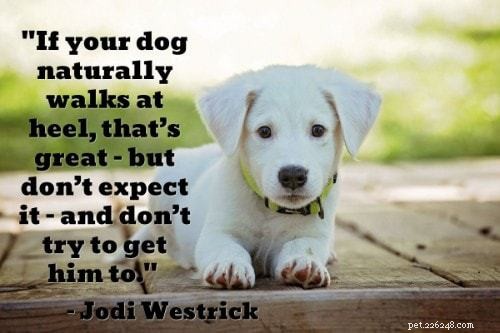
77. Get down to his level. “If your dog naturally walks at heel, that’s great – but don’t expect it – and don’t try to get him to. Yanking on the leash won’t help the situation, so think of getting him to walk as a gradual process. You may need to stand still or kneel down while he figures out what’s going on – that way your pup realizes that he won’t be able to go anywhere unless it is by your side. Some dogs may decide to sit down and not move. If this happens, call to your pup and offer him a reward when he comes over. Never yank him toward you. Once he comes over of his own will, offer him a treat and continue walking with him by your side.” – Jodi Westrick, How to Leash Train Your Active Puppy , Animal Planet; Twitter: @AnimalPlanet
78. Imposing penalties. “Here’s a terrific exercise. Set up a goal for your dog – it could be a biscuit on the ground, or a person she adores. With your dog on leash, take a step toward her goal. The instant she draws forward and tightens the leash, say, ‘Oops!’ and go right back to the starting point. Repeat, repeat, repeat, imposing penalty yards whenever your dog draws the leash tight. I did mention you’d need patience, didn’t I? Help your dog succeed by delivering treats as she keeps the leash loose on the way to the goal.” – Jolanta Benal, Teach Your Dog to Stop Pulling the Leash , Quick and Dirty Tips; Twitter: @quickdirtytips
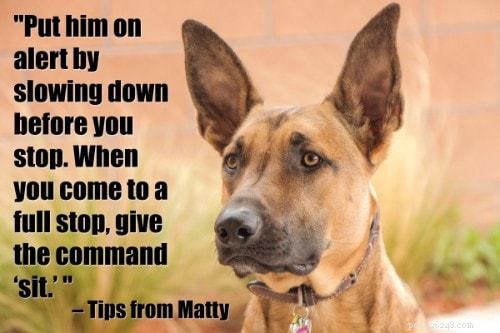
79. Don’t forget to teach him to sit at your side when you stop. “The procedure for teaching your dog to automatically sit when you stop walking is a simple one. Put him on alert by slowing down before you stop. When you come to a full stop, give the command ‘sit.’ If necessary, slowly pull us on the leash and push down on his haunches. […] When he does sit, praise him for obeying. Eventually, it will not be necessary to use the ‘sit’ command.” – Tips from Matty, Teaching your Dog to Heel and Sit , PBS; Twitter: @PBS
80. Repeat, repeat, repeat – and you’ll get it. “To make sure that your canine has the leash and collar routine down pat, you need to repeat this training in many different settings, and at many different places. Fortunately, leash training isn’t the most difficult dog training trick you’ll have to teach your dog, and it’s fairly easy to get ahold of this. You can even combine leash training with ‘stranger’ training. Just make sure you do them separately in the your home first.” – Samantha Randall, 3 Tips to Effectively Leash Train Your Dog , Daily Treat; Twitter: @RoverDotCom
Check Out These Resources and Products for Leash Training Your Puppy:
81. Know the proper clicker training procedure. “Push and release the springy end of the clicker, making a two-toned click. Then treat. Keep the treats small. Use a delicious treat at first:for a dog or cat, little cubes of roast chicken, not a lump of kibble.” – Karen Pryor, Fifteen Tips for Getting Started with the Clicker, Karen Pryor Clicker Training; Twitter: @karen_pryor
Check out our list of the Best Dog Training Treats for the perfect treats to use for clicker training.
82. A clicker isn’t a remote. “Do not point it at your dog. Instead put your hand behind you back or keep it to your side and click whenever your pet is doing the right thing. Dogs are visually oriented animals, this means that they will use any body cue you give them. You want them to respond to the ‘sound’, not your arm movement!” – 23 Free Dog Clicker Training Tips for Best Results , Dog Training Excellence; Twitter: @DogExcellence
83. If the clicker scares your dog, find a way to soften it. “Hold the clicker behind your back. This will muffle the sound a bit, and prevent you from inadvertently pointing it at your dog. (Remember, it’s not a remote control!) If that’s not enough, you can wrap the clicker in layers of soft fabric to muffle the sound even more. One of my clever clients wrapped her clicker in baby socks. Every few days, she could take one sock off, so the sound gradually became a bit louder. It worked perfectly! After a couple of weeks, they were able to take the socks off the clicker and click ‘normally.’ You can also try these techniques with a ‘clicky pen‘ (one with a button on the end that you have to ‘click’ to start writing and ‘click’ to stop) and see if your dog is more tolerant of that. If she is, use that for the first couple of weeks and then reintroduce the clicker.” – Katherine Ostiguy, Fear of the Clicker:How to Train Your Dog Through It , Spring Forth Dog Academy; Twitter: @springforthdog
84. Start by charging up the charger with you dog. “Click the clicker once (in-out) and give your dog a treat (press on the end of the metal tab that does not have the dimple). Hint:Use something your dog really likes at first. Small pieces of yummy food (dog cookies, hot dogs, cheese) are best because the dog can enjoy it and be ready for the next thing quickly. Repeat this until your dog reacts to the clicker (by startling, pricking her ears, or suddenly looking for the treat). If she does, you’re ready for the next step… Hint:Try to keep your timing random (1-5 seconds between one click-and-treat time and the next). Technical Note:This is called ‘establishing a secondary reinforcer’ but most people call it ‘charging up the clicker’! Remember, click first, then treat.” – Stacy Braslau-Schneck, Get Started With Clicker Training, Wag’n’Train
85. Treats mean reinforcements. “Every time you click, deliver a reinforcer, ideally within 1-2 seconds of the click, especially for beginner dogs. Think of the clicker like your dog’s paycheck – clicking without treating is like having your paycheck bounce at work…would you go back to work on Monday?” – Dogster HQ, Dog Clicker Training Basics , Dogster; Twitter: @dogster
86. Work on your timing. “Much of clicker training is mechanical skills, such as food delivery and clicker timing. You can work on improving your timing and accuracy without your animal. For example, watch the news and try to click whenever anyone says the word ‘today.'” – Mary Hunter, 10 Tips to Improve Your Clicker Training, Stale Cheerios; Twitter: @cheeriotrainer
87. Every click is a treat. “Once you’ve charged the clicker, never click without giving your dog a reward. Clicker training depends on your dog trusting that a reward will come when he hears the marker. If you’re inconsistent, your dog won’t make an effort to remember the behavior that prompted the click.” – Tips for Successful Clicker Training , Raising Spot
88. The clicker is an audible alert letting your puppy know what’s coming. “So the clicker just lets your dog know that they did what you wanted them to do and it also lets them know that a treat is coming, because we’re going to be doing positive reinforcement training today.” – Clicker Training for Dogs:Wag! 2-minute Training Treats , The Daily Wagger; Twitter: @WagWalking
89. In the beginning, click for everything. “At first, you will be ‘clicking and treating‘ for any desirable behavior you see – such as when your puppy sits down, lays down quietly, comes to you when you call his name, etc.” – All About Puppy Clicker Training, Fido Savvy
90. Use clicker training consistently and your dog will be able to learn more. “Clicker training at the beginning is an example of classical conditioning. If used consistently it can become operational conditioning, where the dog intentionally repeats an action to gain a reward. The difference might seem minor but it has big implications on the behavior of your dog. If your dog is performing actions with a purpose rather than by habit he’s going to retain much more information.” – Jen Gabbard, How to Get Started With Clicker Training Your Dog , Puppy Leaks; Twitter: @puppyleak
91.練習すれば完璧になります。 “Stand next to a table. Place a clicker on the table where your right or left hand can reach it comfortably without your looking. Now, in your right or left hand (the one away from the clicker side), hold a bunch of keys, a ball, or some other fairly dense object. When ready, hold the object straight out from the shoulder, drop the object, reach for and grasp the clicker, click AS THE OBJECT STRIKES THE GROUND. Don’t click before or after. If you can, have someone else watch and judge your timing, or videotape. As a variation, when you get good (10 out of 10), begin to lower the dropping hand to shorten the time between release and hitting the floor. That is just a start. When you get that down pat, switch the hand that drops the object to the CLICKING HAND. Thus, if you click with the right hand, hold out the right hand with the object, drop it, reach with that same hand to get the clicker and click just as the object hits the ground. When you can do that 8 out of 10 times you are pretty good.” – Bob Bailey, Improving Timing , Clicker Solutions
92. Don’t speak. They know just what you’re saying. “One of the easiest things to start with is to teach them to touch an obvious target, like a mat on the floor, a ball on a stick or your hand. As your pet approaches the target, click and treat. You don’t have to wait until they touch it because you’re shaping their behavior and rewarding small steps towards the end goal. At this stage let the clicker speak for itself – if you say anything it could be distracting.” – Clicker Training Your Pet , Blue Cross for Pets; Twitter: @The_Blue_Cross
93. Keep charging your clicker during training. “One of the biggest problems with clicker training is the lack of understanding of why and how to use the clicker. I recently met a novice trainer who didn’t know that the clicker needed to be ‘charged,’ that is, before any training can begin, the dog must learn an association of something good when he hears a click. After all, the sound of the click by itself is meaningless. ‘Charging’ the clicker involves simply clicking and immediately giving the dog a high value treat. Click and treat, click and treat. Do this about 20-30 times. The dog is sure to learn that whenever he hears the click, it’s a good thing!” – Christine Palm Shaughness, Clicker Training for Dogs, Capers for Canines (and Other Animals)
94. Clicker training is so much faster. “An advantage to using the clicker is that the reward is instantaneous. You can press the clicker much more quickly than you can give the dog a treat or even say ‘good boy.’ As soon as the dog starts the good behavior, immediately click. That way, it’s completely clear to the dog what you are rewarding.” – Megan Smith, Clicker Training Pros &Cons , Daily Puppy; Twitter: @DailyPuppy

95. The more advanced the technique, the more skilled your clicking will need to be. “Clicker training (or marker training) does require a lot of knowledge and practice. It mostly depends what you are up to. With basic exercises you can get away with not such great timing, however with more advanced exercises it is important that you have a good eye-hand coordination.” – Mario Ancic, Pros and Cons of Clicker Training , Training Your Dog and You
96. Don’t ignore any bad behaviors during clicker training. “How to eliminate behaviors you don’t like:Establish a ‘no reward’ signal, like ‘oops’ or ‘too bad.’ Positively reinforce an incompatible behavior (a reliable ‘sit’ will prevent your puppy from jumping up). Time-outs:Immediately after a misbehavior, turn away and ignore the puppy for 30 seconds to a minute.” – Clicker Training – First Steps , Animal Hospital of North Asheville; Twitter: @AHNApets
97. Click even for small progress. “Click when the animal offers small steps in the right direction. Animals learn most behaviors in small steps; they do not have to perform the behavior perfectly at first. Be patient and upbeat when teaching your pet.” – Clicker Training, Amazing Animal Tricks
98. Transitioning away from food rewards. “What many people do not realize about dog clicker training is that the ultimate goal is to be able to get certain behaviors from your dog reliably without having to have a clicker and a treat bag in your hand. It is important to learn how to transition away from dependence on the clicker system once a behavior is learned and you have added distance, duration and distraction. […] Return to a food reward refresher from time to time:This helps keep your dog sharp on behaviors that you have trained. There is no harm in practicing well known behaviors with a rapid reward in the context of a training session. This will only help your dog stay confident in a training session as well as keep them sure about commands they learned long ago.” – Mat, Clicker Training Basics 7 Insanely Actionable Steps , Wiley Pup; Twitter: @wileypupwebsite
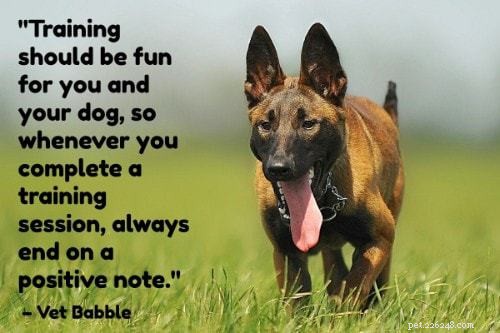
99. End on a high note. “Training should be fun for you and your dog, so whenever you complete a training session, always end on a positive note. If you are both getting frustrated, ask your dog to do something he knows how to do and reward him for that. Never end on a failure. The following video has some great training advice and features the clicker and how to shape behaviors.” – Cool Dog Tricks To Teach Your Furry Friend , Vet Babble; Twitter: @VetBabble
100. Worst case scenario is it won’t work if not done properly. “Clicker training is recommended by the American Veterinary Society of Animal Behavior as well as the Humane Society of the United States. There are no negative side effects. The worst that can happen is training will be ineffective if applied incorrectly.” – Clicker Training Basics , Fortunate Fido
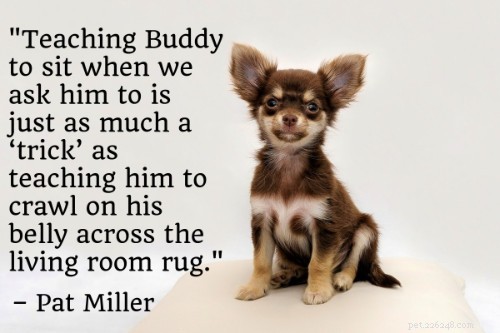
101. It’s all tricks! “Positive trainers have a saying that I love. We like to remind our clients that, ‘It’s all tricks!’ Teaching Buddy to sit when we ask him to is just as much a ‘trick’ as teaching him to crawl on his belly across the living room rug. They are both simply behaviors that Buddy is physically capable of doing, that we teach him to offer us in response to a verbal cue or hand signal. If we can change our attitude and remember to have fun teaching the basics as well as the tricks, we can have a dog who performs the serious behaviors with just as much enthusiasm as he does when he rolls over or catches a treat off the end of his nose.” – Pat Miller, Clicker Training and Trick Training Your Dog , Whole Dog Journal; Twitter: @WholeDogJournal
Need more training advice? Make sure to check out our helpful pet training articles.
Check Out These Resources and Products for Clicker Training your Puppy:
Featured Image Credit:Ivanova N, Shutterstock
あなたの犬が来るように訓練することは重要です。ドアを開けたときに犬が外に出て、呼び出されたらすぐに来ると、犬が逃げたり、車にぶつかったりするなど、起こりうる災害を迂回させることができます。アメリカ動物虐待防止協会によると、犬に来るように教えるのは他の命令よりも時間がかかるかもしれません。これは特にビーグル犬とすべての猟犬に当てはまります。 、特に屋外では、香りが気を散らすので。ただし、特定の手順に従うと、成功するはずです。また、子犬はあなたの近くに留まるのが好きなので、通常、成犬よりも子犬に来るコマンドを教える方が簡単であることに注意してください。 座って滞在するためのトレーニング 子犬や
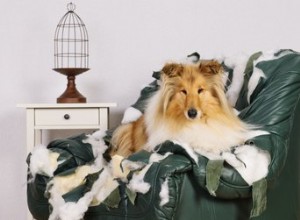
犬の飼い主が行う最も重要なタスクの1つは、新しい親友を訓練することです。あなたの愛らしい子犬をとても良い男の子に変える仕事は、特にあなたが働くペットの親であるならば、ほとんど圧倒されるように思えるかもしれません。犬のクレートトレーニングは、トレーニングプロセスを開始するのに適した場所です。 犬をクレートトレーニングする必要がありますか? 犬はあなたの会社から利益を得る社会的な動物です。あなたがそれをあなたの子犬に任せたならば、あなたの2人は毎日の毎秒一緒にいるでしょう。もちろん、これは常に可能であるとは限らず、子犬が一人で家に帰らなければならない場合もあります。これが起こったとき、あなたの